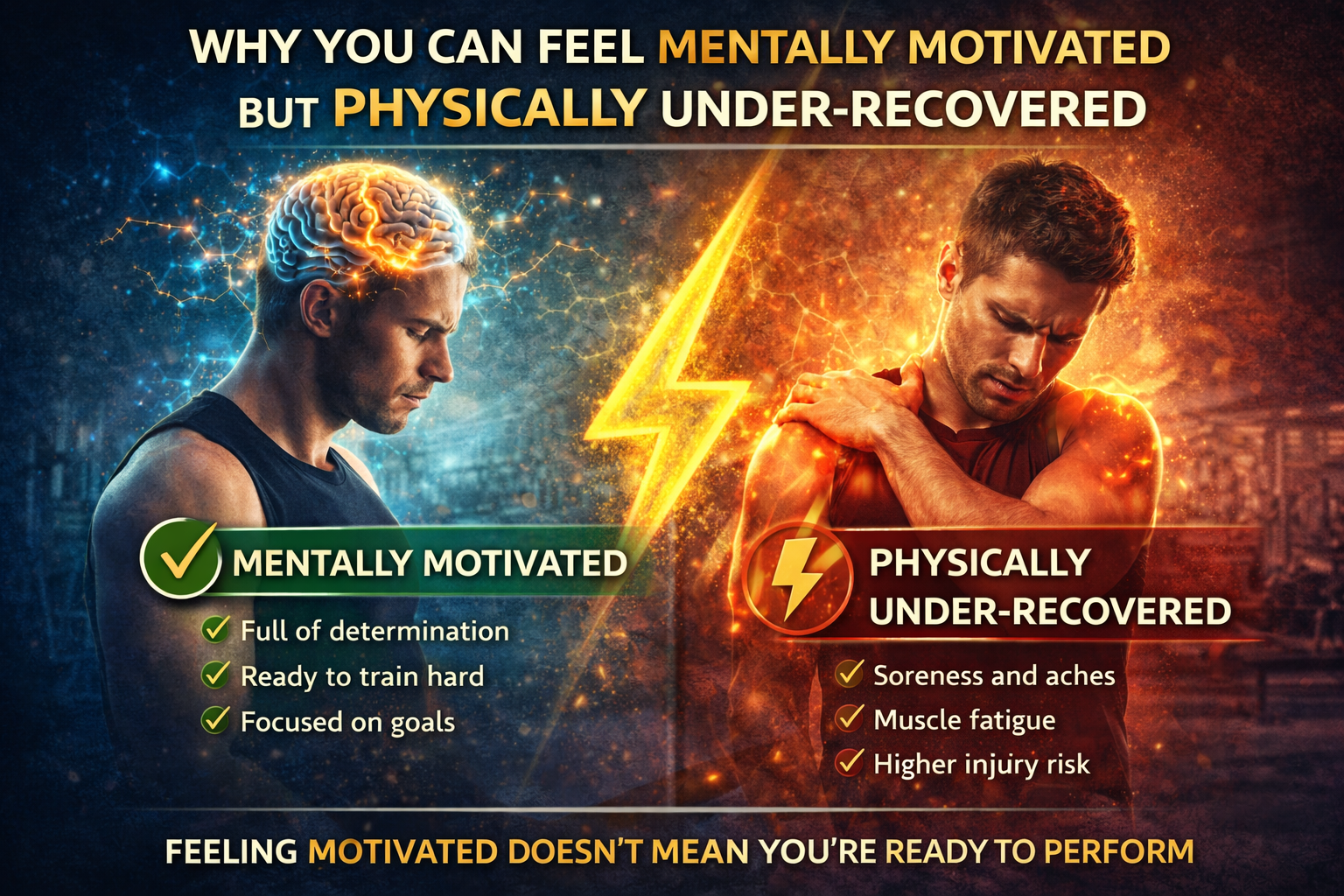
There are days when your mind feels completely ready to train. You feel focused, disciplined, and motivated. Your goals are clear, and skipping a workout doesn’t even cross your mind.
Yet once the session begins, something feels off.
Your muscles feel heavy. Strength feels inconsistent. Endurance drops faster than usual. Recovery takes longer than it should.
This state—mentally motivated but physically under recovered—is far more common than most people realize, especially among people who train regularly and push themselves consistently.
Understanding this disconnect is critical if you want long-term progress without burnout or injury.
Mental Motivation and Physical Recovery Work Differently
Mental motivation is psychological. It comes from discipline, habits, excitement, dopamine, and mindset. Physical recovery is biological. It depends on muscle repair, nervous system balance, sleep quality, nutrition, hydration, and hormonal regulation.
This is why mental motivation vs physical recovery often feels out of sync.
Dopamine Can Make You Feel Ready Even When You’re Not
Motivation triggers dopamine release in the brain. Dopamine improves focus, confidence, and willingness to act. But dopamine does not repair muscle fibers, replenish glycogen, reduce inflammation, or calm nervous system fatigue.
Nervous System Fatigue Is a Major Contributor
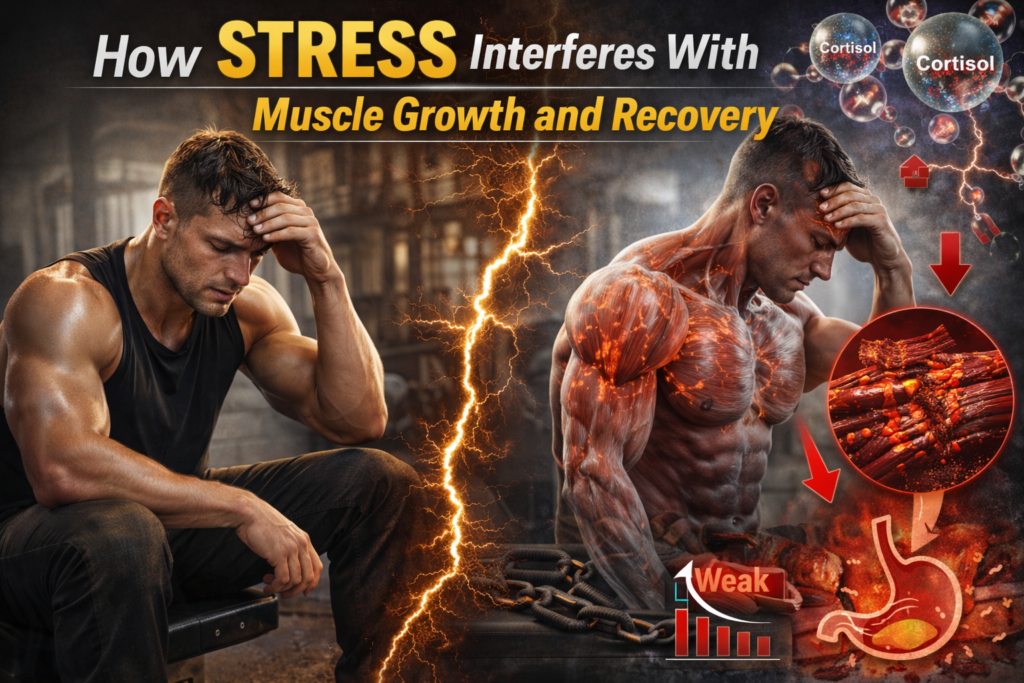
Recovery is not only about muscles. Heavy lifting and intense workouts place stress on the central nervous system (CNS). Reduced strength, poor coordination, sleep disturbances, and feeling wired but exhausted are common signs.
Poor Sleep Slows Physical Recovery
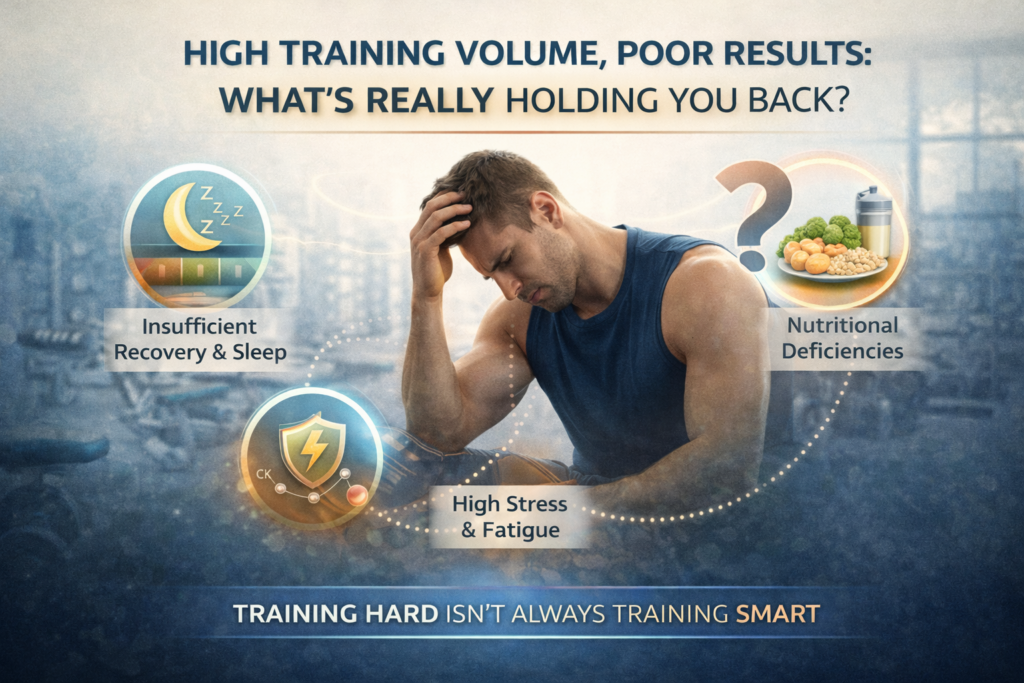
Sleep deprivation may not kill motivation immediately, but it reduces growth hormone release, slows muscle protein synthesis, and disrupts recovery hormones.
Nutrition Gaps Create Physical Under-Recovery
Inadequate protein, low carbohydrates, poor hydration, and missing electrolytes can slow recovery. Muscles need building blocks to repair.
Role of Pre-Workout Supplements in Under-Recovery Situations
Pre-workout support helps improve blood flow, focus, and training quality. Used responsibly, it prepares the body rather than overstimulating it.
Role of Post-Workout Supplements in Physical Recovery
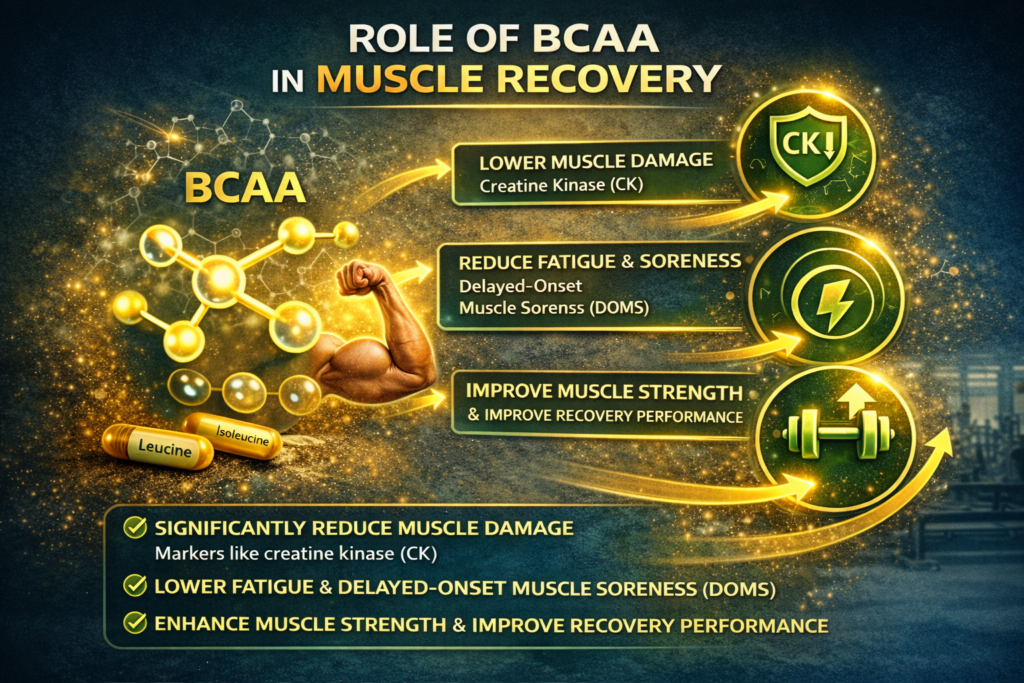
Post-workout nutrition supports muscle repair, reduces breakdown, replenishes energy stores, and improves recovery speed.
Supplements Support Recovery—They Don’t Replace It
Supplements help, but they cannot replace sleep, balanced meals, rest days, and stress management.
Final Thoughts
Being mentally motivated but physically under recovered is a signal to improve recovery strategy. Align recovery with training, and results will follow.