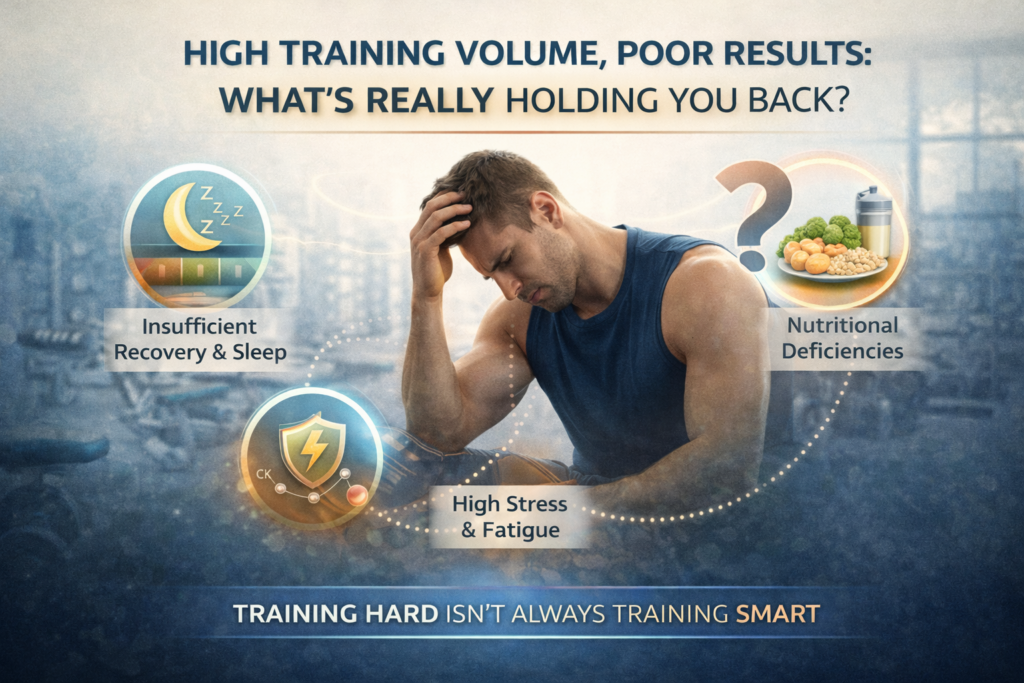
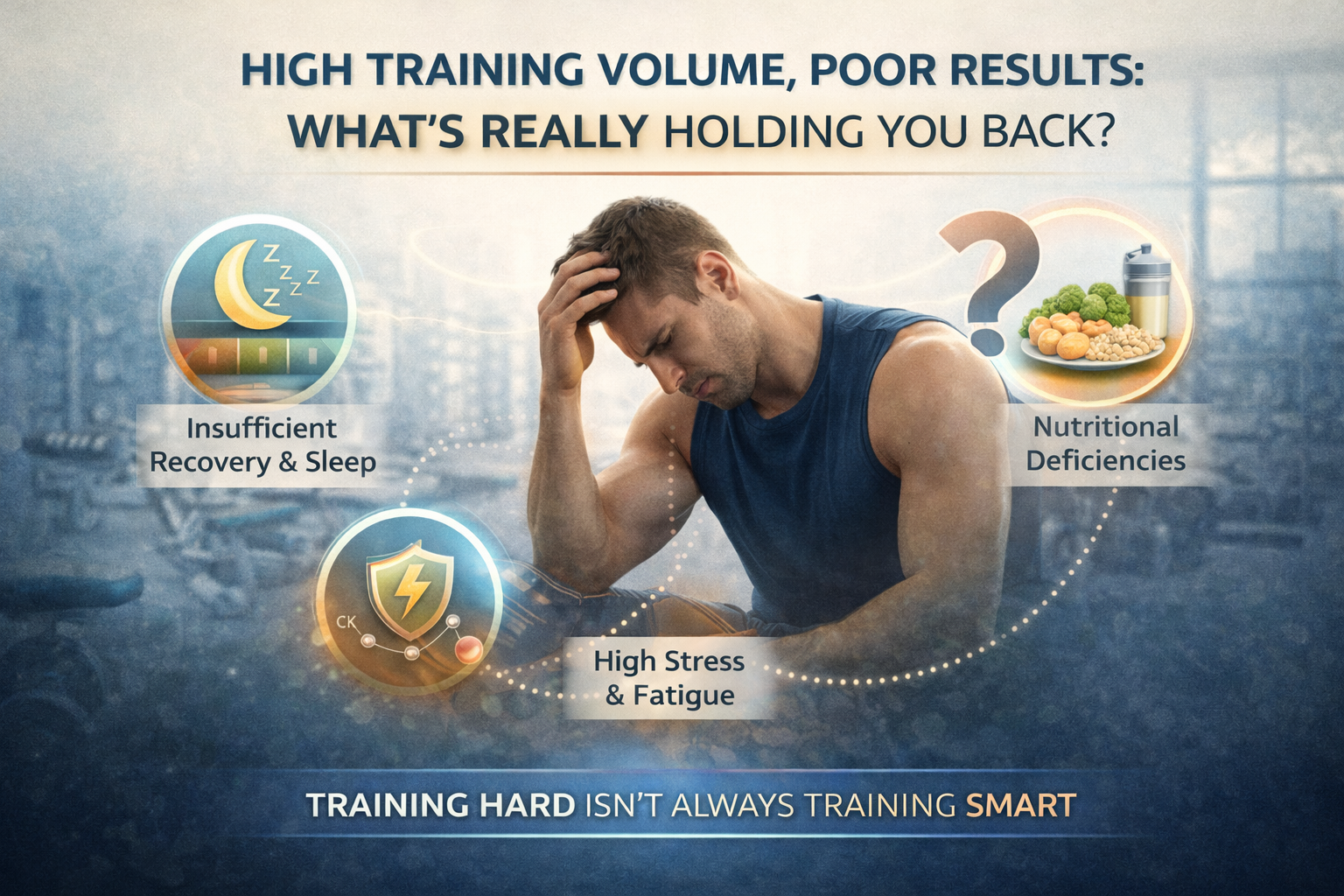
You train almost every day. You push your limits. You stay disciplined. Yet when you look in the mirror or track your progress, the results don’t match your effort. This situation is more common than you think. Many people assume that training harder and longer will automatically lead to better results, but fitness doesn’t work that way.
If you are putting in high training volume but still not seeing growth, strength, or fat loss, something important is missing from your routine. Let’s explore the real reasons behind poor progress and how you can fix them effectively.
Training More Does Not Always Mean Training Better
One of the biggest mistakes people make is assuming that more workouts equal more results. While consistency is important, excessive training without proper structure can actually slow down progress.
When you train too often without enough recovery, your body remains in a fatigued state. Muscles do not grow while you are lifting weights. They grow when you rest and allow them to repair.
Overtraining often leads to:
- Constant muscle soreness
- Poor sleep quality
- Reduced strength
- Low motivation
- Frequent injuries
Instead of adding more sessions, focus on training smarter. Follow a structured program, track your lifts, and allow your body time to recover. Quality workouts always beat quantity.
Your Nutrition Might Not Match Your Effort
No matter how hard you train, your body cannot improve without proper fuel. Nutrition plays a massive role in recovery, muscle growth, and performance.
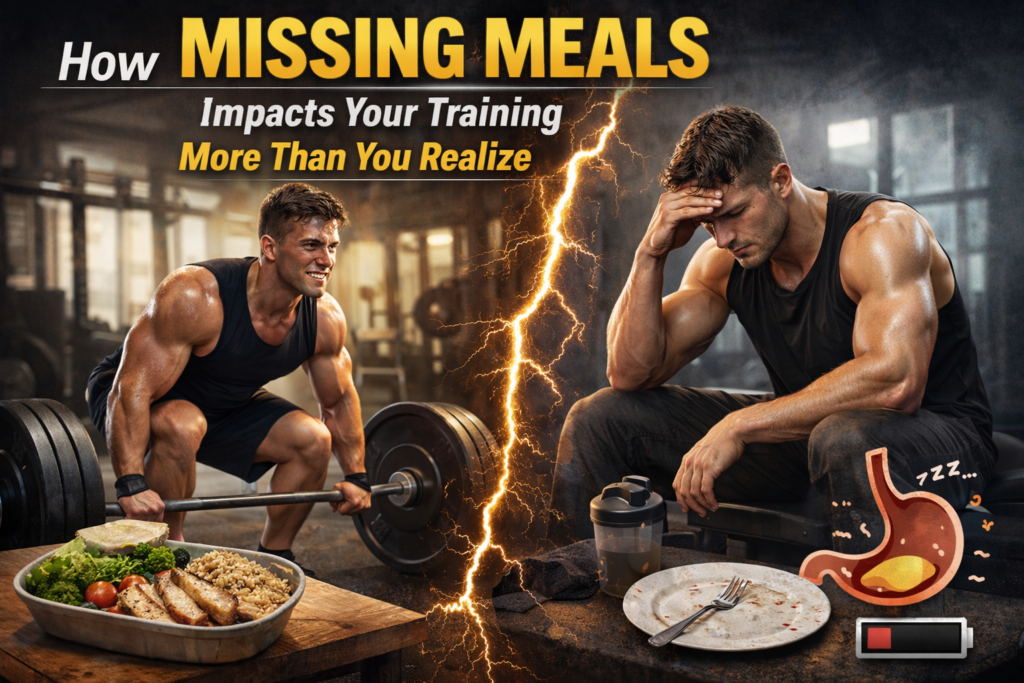
Common mistakes include skipping meals, eating too little protein, or relying heavily on processed foods. Your body needs a balance of carbohydrates, proteins, and healthy fats to function optimally.
Make sure you :
- Eat enough calories to support training
- Include protein in every meal
- Consume complex carbs for energy
- Stay well hydrated
Food is not the enemy. It is your performance partner. When your diet improves, your workouts will automatically feel stronger.
Recovery Is Where Progress Happens
Many people focus only on training and completely ignore recovery. This is a big mistake. Recovery is just as important as exercise.
Your muscles need time to repair and grow. Without proper recovery, performance drops and injury risk increases.
To improve recovery:
- Sleep 7–9 hours every night
- Stretch after workouts
- Use foam rolling
- Take rest days seriously
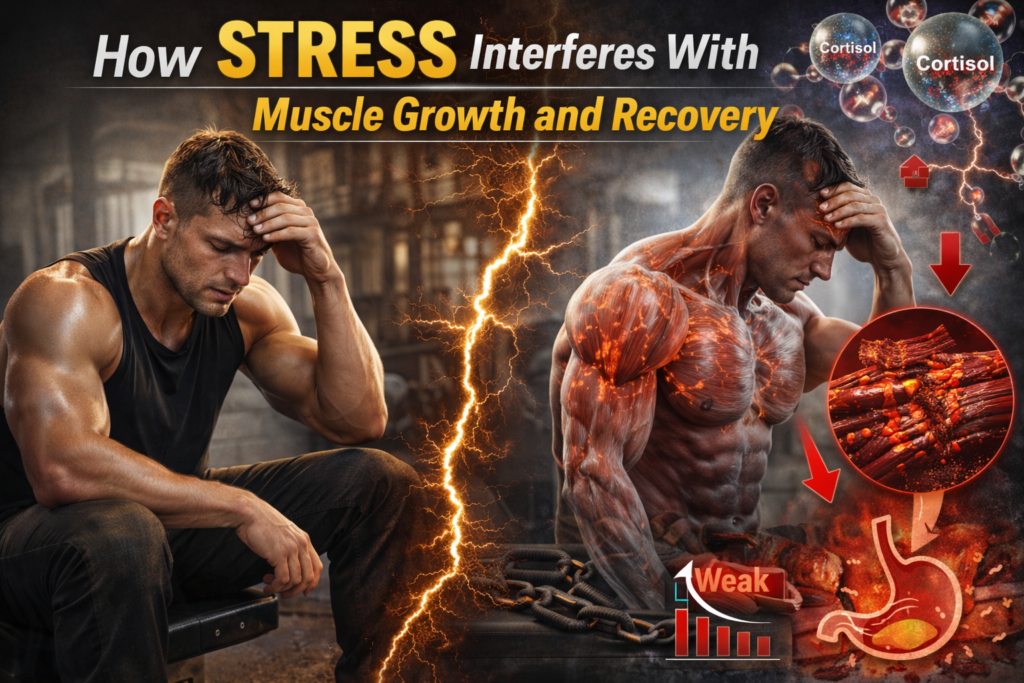
Stress also plays a major role. High stress increases cortisol levels, which can slow muscle growth and increase fat storage. Managing stress through walking, meditation, or relaxing activities can make a big difference.
Poor Pre-Workout Fuel Affects Performance
Many people walk into the gym with low energy. Training on an empty stomach or without proper fuel leads to weak sessions and poor intensity.
Your body needs energy before workouts to perform at its best. This is where pre-workout nutrition becomes important.
Benefits of Pre-Workout Support
A proper pre-workout routine can:
- Increase energy levels
- Improve mental focus
- Boost endurance
- Enhance blood flow to muscles
- Help you train harder
Natural pre-workout options include black coffee, bananas, oats, or beetroot juice. Some people also use pre-workout supplements to get a quick energy boost and better focus during training. These may contain caffeine, beta-alanine, and amino acids that support performance.
The goal is not dependency but smart usage when needed.
Post-Workout Recovery Is Non-Negotiable
After training, your muscles are damaged and depleted. This is when your body needs nutrients the most.
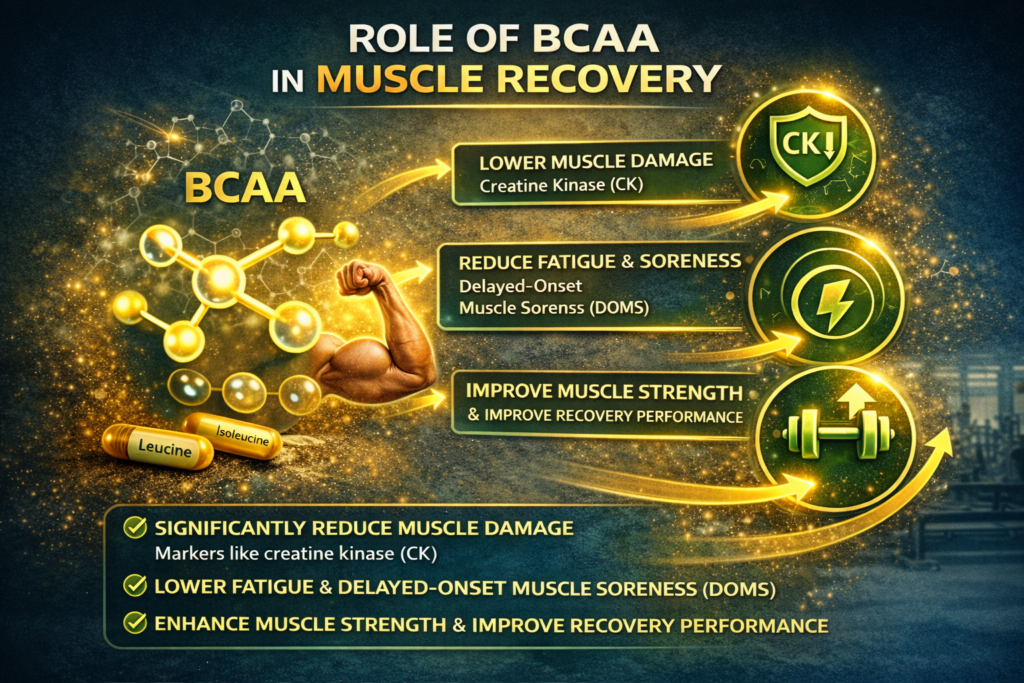
Skipping post-workout nutrition slows recovery and increases soreness. Your body needs protein to repair muscles and carbohydrates to restore energy.
Benefits of Post-Workout Nutrition
Proper recovery support helps to:
- Repair muscle fibers
- Reduce soreness
- Refill glycogen stores
- Improve strength gains
- Support lean muscle growth
Whole food options include eggs, rice, chicken, smoothies, or yogurt. When solid food is not convenient, post-workout supplements can help provide quick nutrition. They are especially useful for people with busy schedules.
You Are Not Tracking Progress
If you don’t track your progress, you won’t know what’s working. Many people train blindly without measuring improvements.
Start tracking:
- Workout weights
- Repetitions
- Body measurements
- Progress photos
This helps you stay motivated and make smart adjustments when progress slows.
Bad Form Is Holding You Back
Lifting heavier weights with poor form does more harm than good. It reduces muscle activation and increases injury risk.
Focus on:
- Proper technique
- Controlled movements
- Mind-muscle connection
Leave your ego outside the gym. Quality reps matter more than heavy weights.
Lifestyle Factors Matter More Than You Think
Your lifestyle outside the gym directly impacts your performance.
Poor sleep, high stress, and inconsistent routines affect hormones and recovery. Limiting screen time before bed, maintaining a regular sleep schedule, and staying active throughout the day can improve results.
Smart Training Creates Real Results
If you are training hard but seeing poor results, it’s time to change your approach. Progress does not come from suffering. It comes from balance.
Focus on:
- Structured workouts
- Balanced nutrition
- Proper recovery
- Smart supplement use
- Stress management
When everything works together, results follow naturally.
Final Thoughts
For more fitness guidance, recovery tips, and supplement education, stay consistent with trusted fitness resources.
Fitness is not about exhausting your body every day. It is about building it intelligently.
High training volume without proper nutrition and recovery leads to burnout, not success. Start listening to your body, fuel it properly, and give it the rest it deserves.
Once you make these changes, you will notice:
- Better energy
- Improved performance
- Faster recovery
- Visible results
Train smart. Recover harder. Grow stronger.