Walking into a gym for the first time can feel exciting—but for many people, it can also feel overwhelming. The unfamiliar machines, experienced fitness enthusiasts, and fear of being judged can create anxiety that prevents individuals from even starting their fitness journey. This feeling is commonly known as gymtimidation.
Gymtimidation is more common than people think. Beginners, people returning after a break, individuals trying to lose weight, or even those recovering from health conditions may feel uncomfortable in a gym environment. The good news is that gymtimidation can be managed with the right mindset, preparation, and supportive habits.
This article explains what gymtimidation is, why it happens, how to overcome it, and how proper nutrition and structured routines can help you feel confident and consistent in your fitness journey.
Understanding Gymtimidation
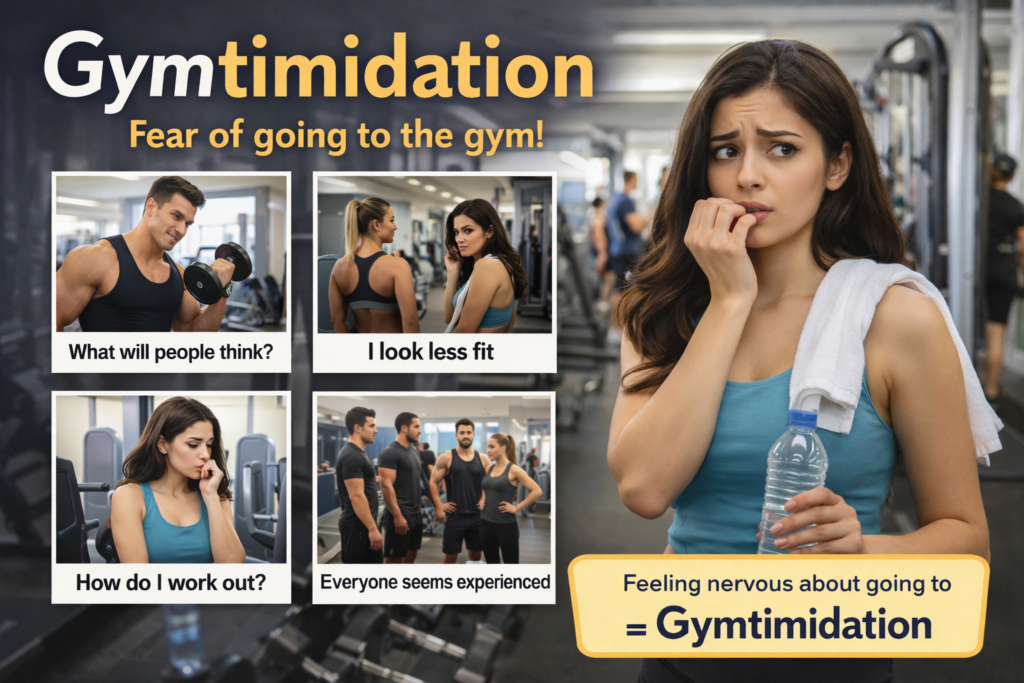
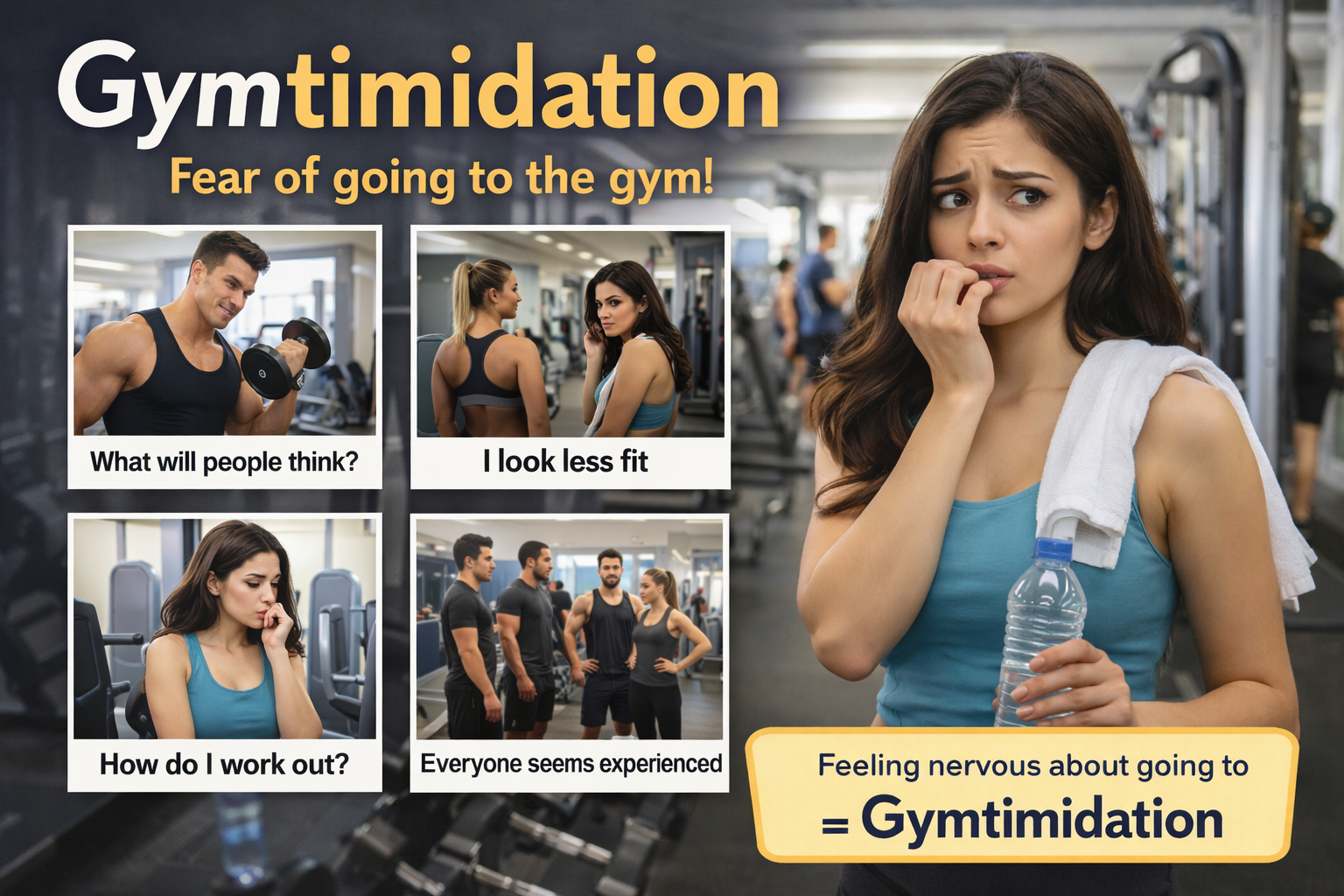
Gymtimidation refers to the feeling of nervousness, fear, or discomfort experienced in a gym environment. It may come from self-consciousness, lack of knowledge about exercises, or comparing oneself to others.
People experiencing gymtimidation may feel:
- Embarrassed about their body shape or fitness level
- Nervous about using equipment incorrectly
- Worried about being judged by others
- Confused about where to start
- Anxious in crowded spaces
Gymtimidation can affect beginners as well as experienced individuals who are returning to fitness after a long gap.
Why Does Gymtimidation Happen?
Several psychological and environmental factors contribute to gymtimidation. Understanding the causes helps in finding effective solutions.
1. Fear of Judgment
Many people worry about what others may think about their appearance, weight, or fitness level. Social comparison can reduce confidence.
2. Lack of Knowledge
Unfamiliar equipment and exercises can make beginners feel unsure. Not knowing proper form may create hesitation.
3. Unrealistic Expectations
Social media often shows highly fit individuals performing advanced workouts. This creates pressure and self-doubt.
4. Past Negative Experiences
Feeling ignored, judged, or uncomfortable in previous gym settings can increase anxiety.
5. Overcrowded Environment
Busy gyms can make beginners feel lost or overwhelmed.
Recognizing that these feelings are normal is the first step toward overcoming gymtimidation.
How Fitness Activity Helps Build Confidence
Physical activity not only improves health but also enhances mental confidence. Regular exercise helps reduce anxiety and builds a sense of accomplishment.
Mental Benefits
- Releases endorphins that improve mood
- Reduces stress and anxiety levels
- Builds self-confidence gradually
- Improves sleep quality
- Encourages positive body image
Physical Benefits
- Improves strength and stamina
- Supports weight management
- Enhances flexibility
- Boosts energy levels
- Supports heart health
As confidence increases, gymtimidation naturally decreases.
Scientific and Practical Benefits of Regular Exercise
Studies show that regular physical activity supports both mental and physical wellbeing.
Benefit | How it Helps |
Improved mood | Exercise releases feel-good hormones |
Better metabolism | Supports healthy weight management |
Increased strength | Improves muscle tone |
Stress reduction | Helps calm the mind |
Better posture | Enhances physical appearance |
Increased energy | Helps maintain daily productivity |
Consistency matters more than intensity, especially for beginners.
Step-by-Step Routine to Overcome Gymtimidation
Starting with a simple plan can make the gym feel less intimidating.
Step 1: Choose the Right Time
Visit the gym during less crowded hours to feel more comfortable.
Step 2: Start with Basic Exercises
Focus on beginner-friendly activities:
- Walking on treadmill
- Cycling
- Bodyweight exercises
- Light stretching
- Resistance band exercises
Step 3: Learn Proper Form
Watch beginner tutorials or seek guidance from trainers to build confidence.
Step 4: Set Realistic Goals
Avoid comparing your progress with others. Focus on personal improvement.
Step 5: Track Your Progress
Keep a simple record of workouts to stay motivated.
Step 6: Wear Comfortable Clothing
Choose clothes that make you feel confident and comfortable.
Small steps help build long-term confidence.
Beginner-Friendly Weekly Workout Plan
Day | Activity |
Monday | 20 min walking + stretching |
Tuesday | Light strength training |
Wednesday | Rest or yoga |
Thursday | Cycling or treadmill |
Friday | Bodyweight exercises |
Saturday | Light cardio |
Sunday | Rest and recovery |
This schedule helps build consistency without overwhelming the body.
Comparison: Home Workout vs Gym Workout
Factor | Home Workout | Gym Workout |
Comfort level | High for beginners | May feel intimidating initially |
Equipment variety | Limited | Wide range available |
Guidance | Self-learning | Trainer support available |
Motivation | May decrease | Motivating environment |
Cost | Minimal | Membership required |
Both options are beneficial. The best choice is the one that helps maintain consistency.
Role of Nutrition in Reducing Gym Anxiety
Nutrition plays an important role in supporting physical energy and mental focus. Proper nutrition helps improve workout performance and recovery, which builds confidence over time.
Pre-Workout Nutrition Support
Eating balanced nutrients before exercise helps maintain energy levels.
Examples of pre-workout foods:
- Banana with peanut butter
- Oats with milk
- Fruit smoothie
- Whole grain toast
Some individuals may choose a pre-workout supplement as supportive nutrition to maintain energy and focus during exercise. Supplements should complement a balanced diet.
Post-Workout Recovery Nutrition
Post-workout nutrition helps muscle recovery and reduces fatigue.
Examples include:
- Milk or plant-based protein drink
- Sprouts salad
- Paneer or tofu
- Dal and rice
Some individuals consider a post-workout supplement as part of their recovery routine, depending on dietary needs.
Proper nutrition supports consistency, which gradually reduces gymtimidation.
Practical Tips to Feel Comfortable at the Gym
These simple tips can make the gym environment more welcoming:
- Visit the gym with a friend
- Create a workout playlist
- Start with short sessions
- Avoid peak hours initially
- Focus on progress, not perfection
- Remember everyone starts as a beginner
- Keep a positive mindset
- Celebrate small achievements
Confidence grows with experience.
How Long Does It Take to Overcome Gymtimidation?
The timeline varies for each person. Some individuals feel comfortable within a few days, while others may take a few weeks.
Consistency helps reduce anxiety faster. As familiarity with the environment increases, gymtimidation naturally decreases.
Signs of improvement include:
- Feeling less nervous before workouts
- Becoming familiar with equipment
- Feeling motivated to exercise regularly
- Improved self-confidence
Patience is important in this journey.
When to Seek Guidance
If gym anxiety feels overwhelming, consider:
- Hiring a trainer for initial guidance
- Joining beginner fitness classes
- Following structured online programs
- Practicing home workouts before gym sessions
Guidance provides clarity and reduces confusion.
Conclusion
Gymtimidation is a common experience, especially for beginners or individuals restarting their fitness journey. Feeling nervous or unsure in a gym environment is completely normal. With gradual exposure, proper planning, and supportive nutrition habits, confidence can be built step by step.
Regular exercise improves not only physical health but also mental wellbeing. Starting with simple routines, maintaining balanced nutrition, and focusing on personal progress can make the fitness journey more comfortable and enjoyable.
Remember, the gym is a place for self-improvement, not judgment. Everyone begins somewhere, and small consistent steps lead to long-term results.