Athletes spend countless hours training to improve speed, strength, endurance, and overall performance. While factors like workout intensity, recovery, and skill development are important, one critical element is often overlooked: glycogen.
Glycogen serves as the body’s primary stored form of carbohydrates and acts as a major fuel source during physical activity. Whether you’re a runner, cyclist, swimmer, football player, gym enthusiast, or endurance athlete, glycogen plays a vital role in maintaining energy levels and supporting athletic performance.
When glycogen stores are adequate, athletes can train harder, recover better, and perform more consistently. However, when glycogen levels become depleted, fatigue can set in quickly, making workouts feel more difficult and reducing overall performance.
In this article, we’ll explore the role of glycogen in athletic performance, how glycogen works, why it matters for athletes, and practical ways to maintain healthy energy stores through nutrition and recovery strategies.
What Is Glycogen?
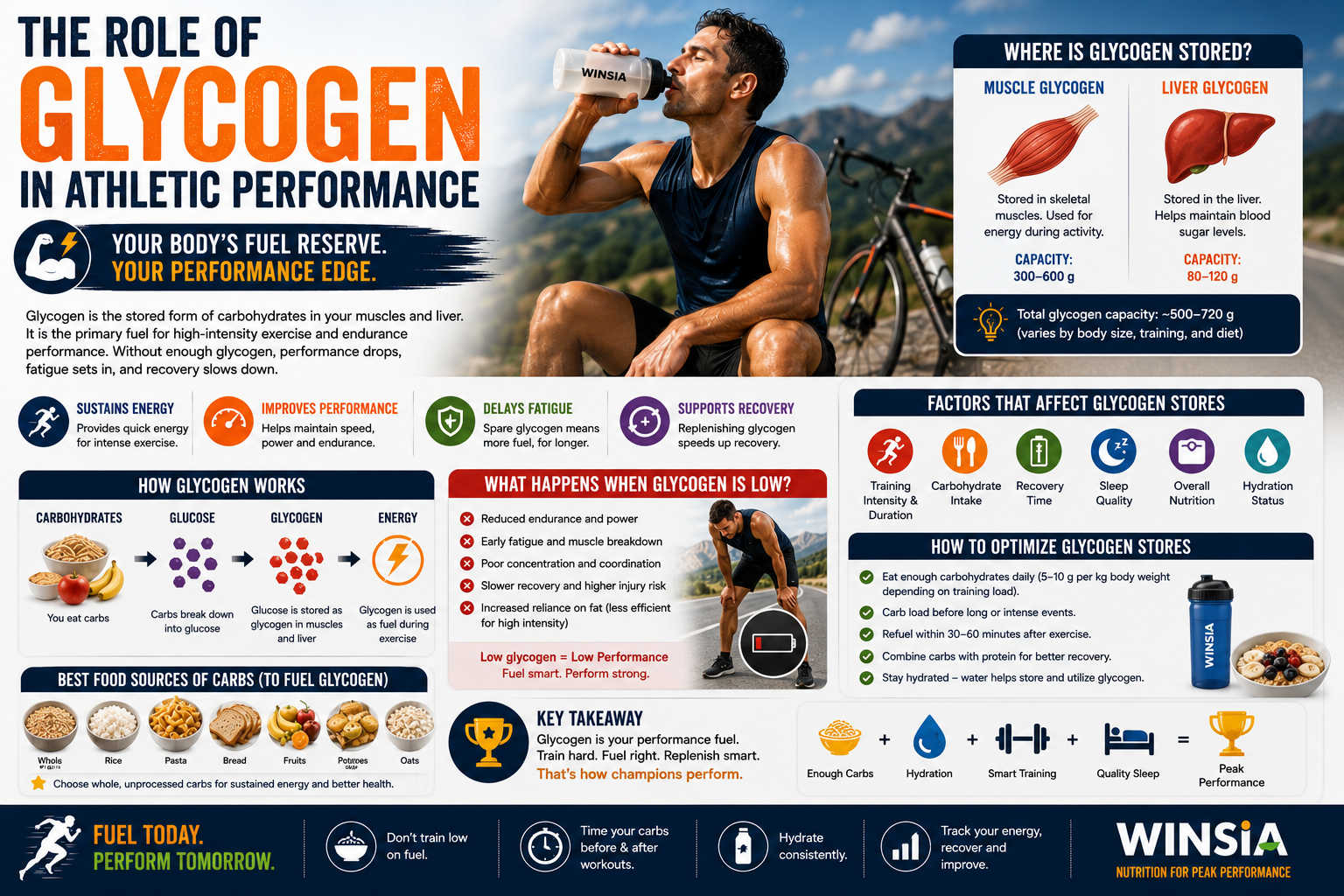
Glycogen is the storage form of glucose, which is the body’s preferred source of energy. When you eat carbohydrate-rich foods, the body converts carbohydrates into glucose. Any excess glucose that is not immediately used for energy is stored as glycogen.
Glycogen is primarily stored in:
- Skeletal muscles
- Liver
These stored energy reserves are used when the body needs additional fuel during exercise, sports, or other physical activities.
Think of glycogen as the body’s energy savings account. When physical activity increases, the body withdraws energy from these stored reserves to keep muscles working efficiently.
Why Glycogen Is Important for Athletes
Athletes require a constant supply of energy to maintain performance. During moderate to high-intensity exercise, glycogen becomes one of the body’s most important fuel sources.
Key Functions of Glycogen
- Provides energy during exercise
- Supports muscle contraction
- Helps maintain workout intensity
- Delays fatigue
- Supports endurance performance
- Helps improve recovery after exercise
Without sufficient glycogen stores, athletic performance can decline significantly.
How Glycogen Fuels Exercise
When exercise begins, the body uses different energy systems depending on workout intensity and duration.
During Short and High-Intensity Activities
Examples:
- Sprinting
- Weightlifting
- Football
- Basketball
The body relies heavily on muscle glycogen because it can provide energy quickly.
During Endurance Activities
Examples:
- Running
- Cycling
- Swimming
- Long-distance sports
Glycogen continues to play a major role, especially as exercise duration increases.
As glycogen stores become depleted, athletes often experience reduced performance and increased fatigue.
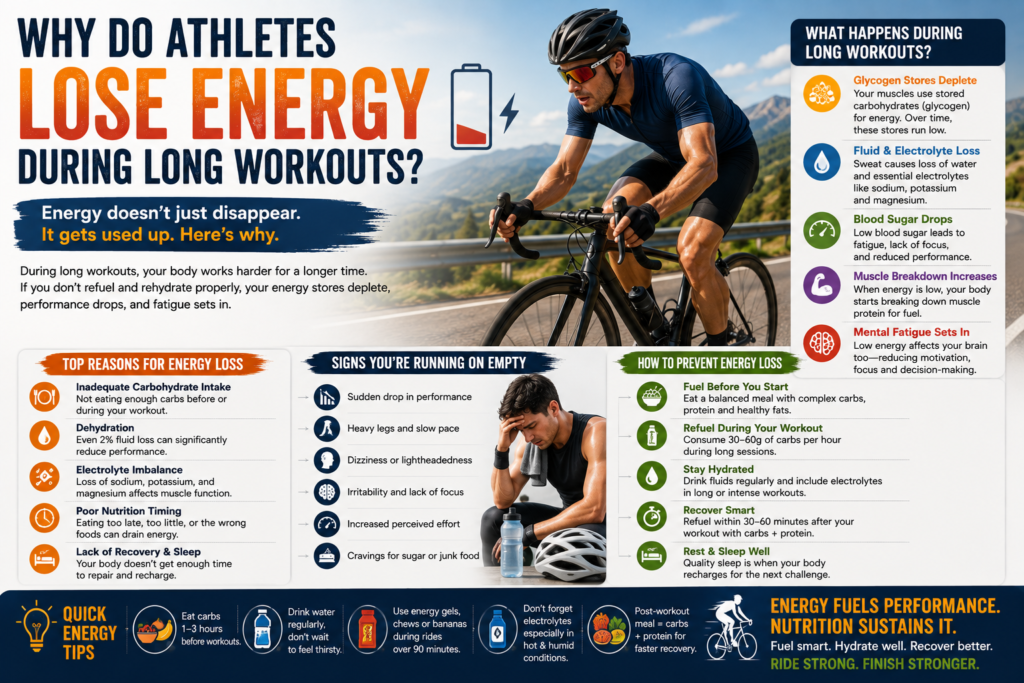
What Happens When Glycogen Stores Run Low?
One of the biggest challenges athletes face is glycogen depletion.
When glycogen levels become too low, the body struggles to maintain exercise intensity.
Common Signs of Low Glycogen Stores
- Sudden fatigue
- Reduced stamina
- Muscle weakness
- Difficulty maintaining pace
- Slower reaction times
- Reduced focus
- Poor workout performance
Endurance athletes often refer to this as “hitting the wall” or “bonking.”
At this stage, maintaining performance becomes significantly more difficult.
The Connection Between Glycogen and Athletic Performance
The relationship between glycogen and performance is well established in sports nutrition.
Glycogen Status | Impact on Performance |
Full glycogen stores | Better endurance and energy |
Moderate glycogen stores | Adequate performance |
Low glycogen stores | Early fatigue |
Depleted glycogen stores | Significant performance decline |
Maintaining glycogen stores helps athletes perform consistently during training and competition.
Factors That Affect Glycogen Levels
Several factors influence how much glycogen the body stores and uses.
1. Carbohydrate Intake
Carbohydrates are the primary source for glycogen production.
Low carbohydrate intake may reduce glycogen stores.
2. Training Volume
Long or intense workouts use larger amounts of glycogen.
3. Recovery Nutrition
Post-workout meals help replenish glycogen stores.
4. Exercise Intensity
Higher intensity exercise uses glycogen more rapidly.
5. Sleep and Recovery
Poor recovery can affect the body’s ability to restore energy reserves.
Understanding these factors helps athletes manage energy more effectively.
Scientific Benefits of Maintaining Healthy Glycogen Stores
Proper glycogen levels offer several performance advantages.
Improved Endurance
Athletes with adequate glycogen stores can sustain activity for longer periods.
Better Training Quality
Energy availability allows athletes to train at higher intensities.
Reduced Fatigue
Adequate glycogen helps delay the onset of tiredness.
Improved Recovery
Replenishing glycogen after exercise helps prepare the body for future training sessions.
Enhanced Mental Focus
The brain also relies on glucose for energy, making glycogen important for concentration and decision-making during sports.
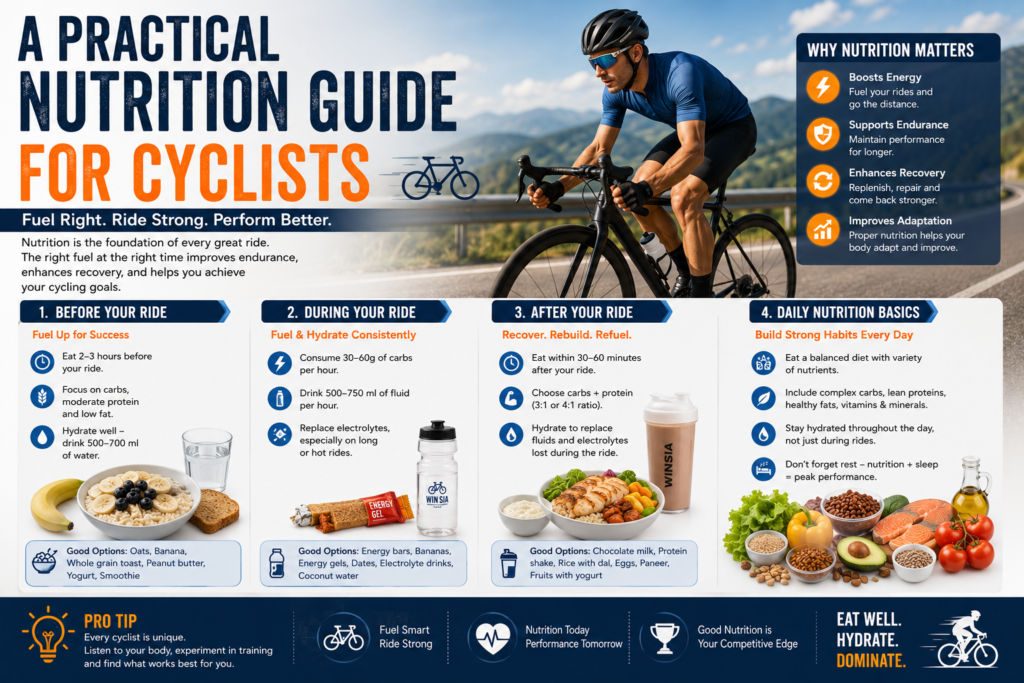
Best Foods for Building Glycogen Stores
Nutrition is the primary way athletes replenish glycogen.
Carbohydrate-Rich Foods
Examples include:
- Oats
- Rice
- Whole wheat bread
- Sweet potatoes
- Fruits
- Pasta
- Quinoa
- Bananas
These foods provide glucose that can be stored as glycogen.
Role of Nutrition in Athletic Performance
Athletic performance depends on more than just training.
Proper nutrition supports:
- Energy production
- Muscle recovery
- Hydration
- Endurance
- Performance consistency
A balanced diet containing carbohydrates, protein, healthy fats, vitamins, and minerals helps support overall athletic success.
Pre-Workout Nutrition and Glycogen Support
Pre-workout nutrition helps ensure that glycogen stores are available before exercise.
Good Pre-Workout Foods
- Banana
- Oatmeal
- Whole grain toast
- Fruit smoothie
- Yogurt with fruit
These foods provide carbohydrates that support energy availability.
Some athletes choose a pre-workout supplement (https://winsia.co.in/product/winrec/) as supportive nutrition before training sessions. Pre-workout supplements should complement a balanced diet and healthy lifestyle rather than replace nutritious meals.
Proper pre-workout nutrition helps athletes begin exercise with better energy levels.
Glycogen Replenishment After Exercise
Recovery begins immediately after training.
Following exercise, the body works to restore glycogen stores that were used during activity.
Post-Workout Foods
Examples include:
- Rice and dal
- Milk or protein drinks
- Fruits
- Whole grains
- Paneer or tofu
- Sweet potatoes
Combining carbohydrates with protein can support both glycogen replenishment and muscle recovery.
Some athletes may choose a post-workout supplement (https://winsia.co.in/product/post-workout/) as part of their recovery routine depending on their nutritional requirements and training demands.
Sample Daily Plan to Support Glycogen Levels
Time | Meal |
Breakfast | Oats, fruit, milk |
Mid-Morning | Banana and nuts |
Lunch | Rice, vegetables, dal |
Pre-Workout | Fruit smoothie |
Post-Workout | Protein-rich meal with carbohydrates |
Dinner | Whole grains, vegetables, protein source |
Consistent nutrition helps maintain healthy glycogen reserves.
Common Mistakes Athletes Should Avoid
Many athletes unknowingly make mistakes that affect glycogen levels.
Common Mistakes
- Skipping meals
- Following extremely low-carb diets
- Poor post-workout nutrition
- Inadequate hydration
- Overtraining
- Insufficient sleep
Avoiding these habits can help support better performance and recovery.
Additional Tips for Maintaining Energy Stores
Practical Strategies
- Eat balanced meals regularly
- Include carbohydrates in training nutrition
- Stay hydrated
- Prioritize sleep
- Follow recovery protocols
- Adjust intake based on training intensity
Small nutritional improvements can significantly impact athletic performance.
Who Needs to Pay Special Attention to Glycogen?
While glycogen is important for everyone, certain athletes may need to focus on it even more.
These include:
- Marathon runners
- Cyclists
- Swimmers
- Football players
- Basketball players
- Triathletes
- Endurance athletes
- Competitive sports professionals
Long-duration activities typically require greater glycogen availability.
Conclusion
The role of glycogen in athletic performance cannot be overstated. Glycogen serves as the body’s primary energy reserve during exercise and plays a crucial role in endurance, strength, recovery, and overall athletic success.
Athletes with adequate glycogen stores are better equipped to maintain workout intensity, delay fatigue, and recover effectively between training sessions. On the other hand, depleted glycogen levels can significantly reduce performance and make exercise feel much more challenging.
By combining proper nutrition, strategic pre-workout and post-workout fueling, hydration, recovery, and consistent training habits, athletes can support healthy glycogen levels and optimize their performance over the long term.
Whether you’re a beginner or an experienced athlete, understanding and managing glycogen stores is one of the most effective ways to support energy, endurance, and athletic success.