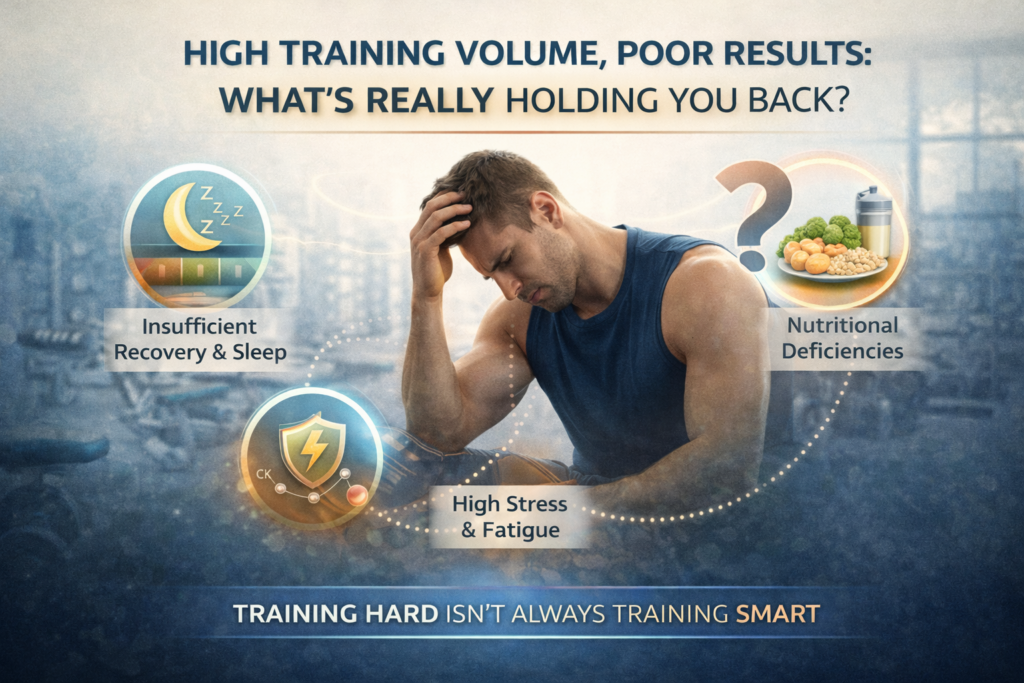

Most people believe that training harder is the key to better fitness results. But what many athletes, gym-goers, and even beginners overlook is something far more basic—eating consistently.
You might be following a disciplined workout routine, pushing your limits, and staying committed, yet still feel unusually fatigued or stuck. In many cases, the issue isn’t your training intensity—it’s missing meals.
Skipping meals doesn’t just make you hungry. It quietly affects your strength, endurance, recovery, and even mental focus. Let’s break down how missing meals impact your training more than you realize.
1. Missing Meals Reduces Training Energy
Your body depends on regular food intake to fuel workouts. When meals are skipped, glycogen levels drop, leaving muscles under-fueled.
This often results in:
- Early fatigue during workouts
- Lower strength output
- Poor endurance
- Reduced workout quality
Many athletes notice that when their daily nutrition isn’t consistent, even a well-planned workout feels harder than usual. This is why structured pre- and post-workout nutrition routines—including recovery-focused formulations like WINREC—are often used to bridge gaps when meals are delayed, not replaced.
2. Skipping Meals Can Lead to Muscle Breakdown
Muscle recovery depends on a steady supply of nutrients, especially protein. When meals are missed, the body may break down muscle tissue to meet energy demands.
Over time, this can cause:
- Loss of muscle mass
- Slower strength gains
- Longer soreness duration
For individuals trying to gain lean mass, consistent calorie and protein intake matters more than occasional heavy workouts. Some people rely on calorie-dense nutrition options such as WINGAIN on busy days—not as a substitute for meals, but as nutritional support when intake falls short.
3. Meal Skipping Slows Metabolic Efficiency
Contrary to popular belief, skipping meals does not automatically lead to fat loss. In fact, frequent under-eating—especially alongside intense training—can reduce metabolic efficiency.
This may result in:
- Reduced calorie burn
- Increased fatigue
- Hormonal stress
A well-fueled body adapts better to training. Consistency, not restriction, is what supports sustainable performance and body composition changes.
4. Mental Focus Suffers Without Regular Nutrition
Training performance isn’t only physical—it’s neurological. Low blood sugar caused by missed meals can reduce focus and motivation.
Common effects include:
- Poor concentration
- Weak mind-muscle connection
- Mental fatigue
Nutrients that support metabolic and digestive health—often found in liver-support or micronutrient-focused formulations like LIVERZ—play an indirect but important role in keeping energy utilization efficient, especially during prolonged training phases.
5. Recovery Becomes Incomplete
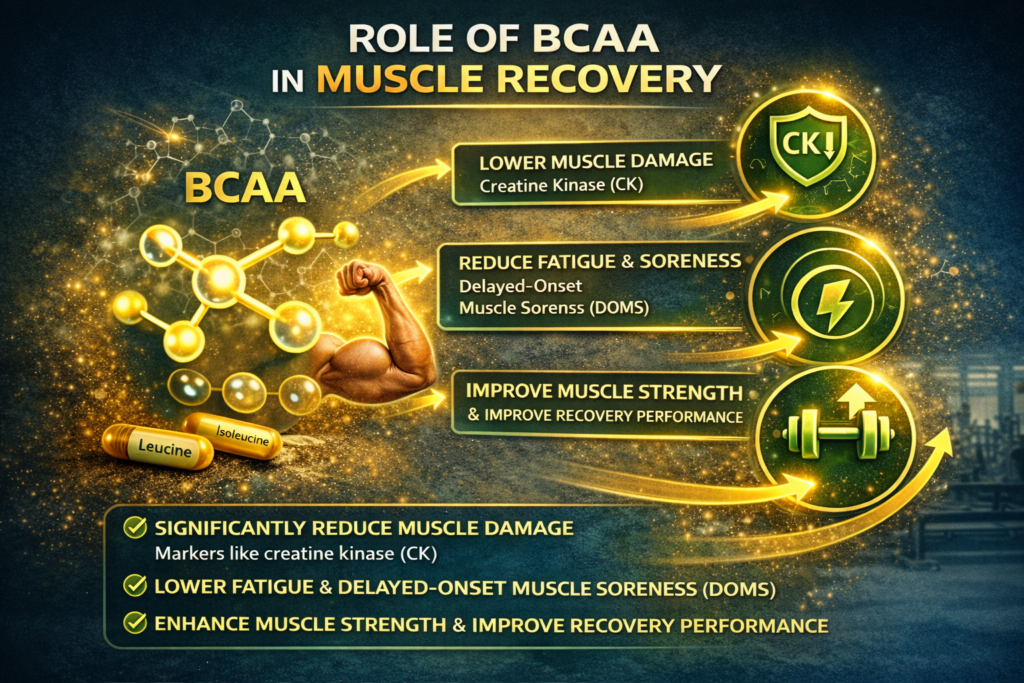
Recovery is where progress happens. Skipping meals after training delays muscle repair and adaptation.
Poor recovery may show up as:
- Persistent soreness
- Plateaued performance
- Increased injury risk
Post-workout nutrition doesn’t need to be complicated—but it does need to be consistent. This is why recovery strategies often focus on quick nutrient availability alongside regular meals.
6. Hormonal Balance Is Affected
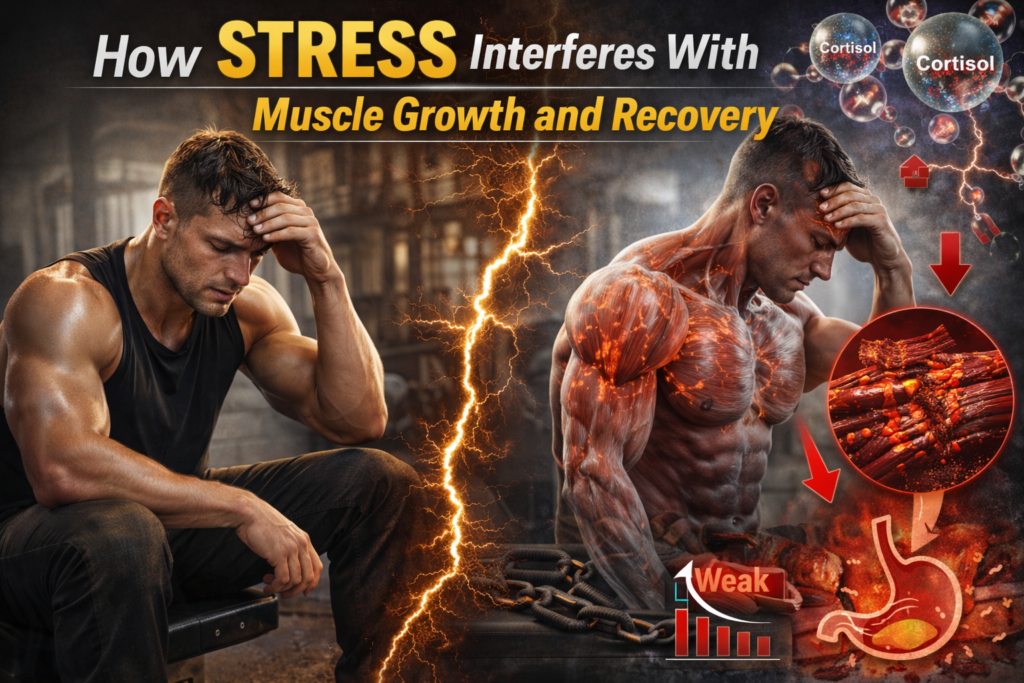
Under-fueling increases stress hormones like cortisol, which negatively impact:
- Muscle growth
- Fat metabolism
- Sleep quality
Maintaining hormonal balance requires adequate energy intake throughout the day, not just around workouts.
7. Consistency Matters More Than Perfection
Missing a meal once in a while isn’t a problem. Making it a habit is.
Helpful strategies include:
- Planning meals around training times
- Keeping easy nutrition options available
- Avoiding long gaps without food
The goal isn’t perfection—it’s nutritional consistency.
Final Thoughts
If you’re training hard but still feeling drained, stalled, or under-recovered, look beyond your workout plan.
Missing meals impacts your training more than any single exercise mistake ever could.
Fuel your body consistently, recover properly, and let your training actually work for you.