Most people assume that poor muscle gains or slow recovery are caused by weak workouts or inconsistent nutrition. But there’s another factor that often goes unnoticed—even when training and diet seem on point.
That factor is stress.
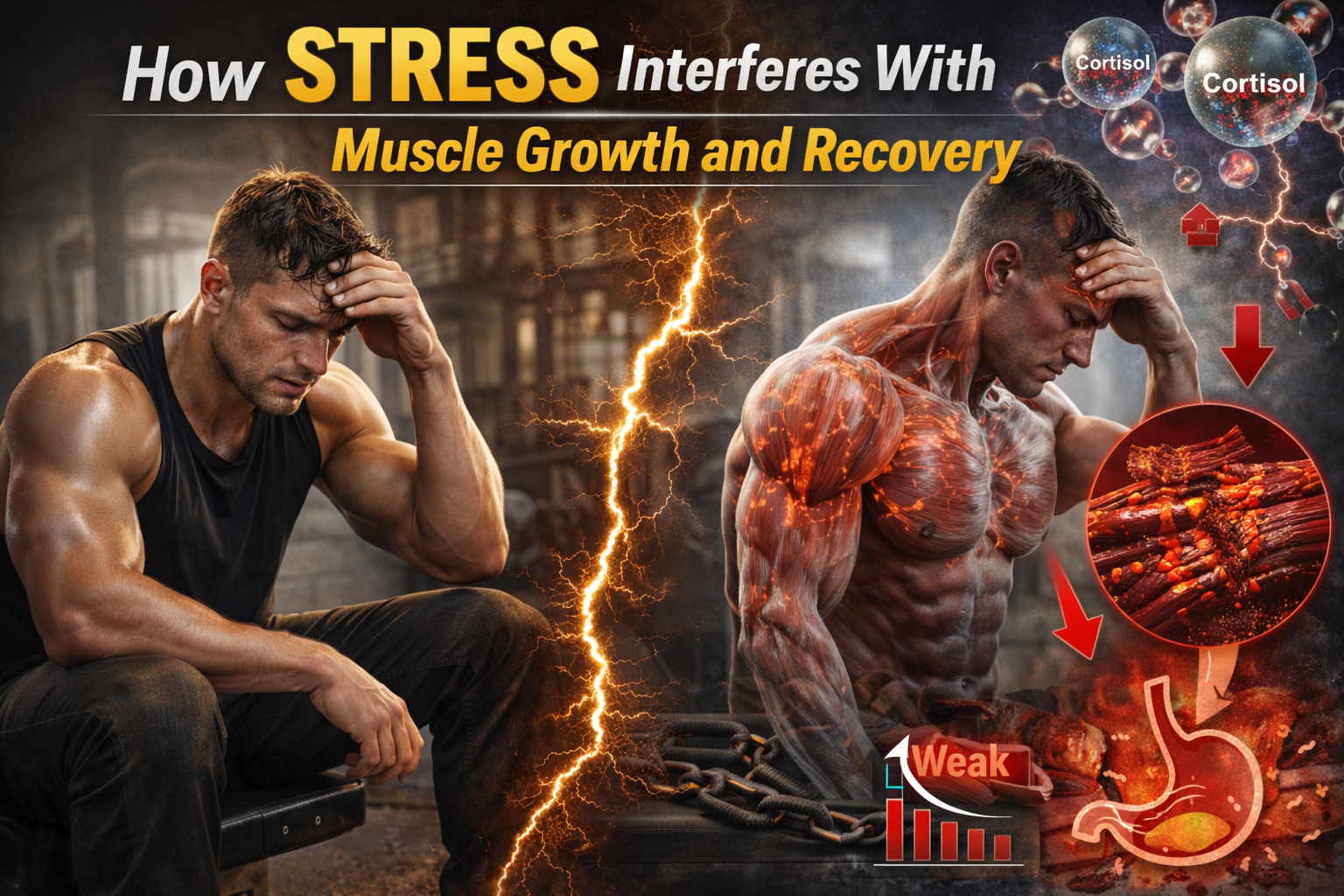
Stress doesn’t just affect your mood or mental health. It has a direct and measurable impact on muscle growth, recovery, strength gains, and overall training performance. In fact, long-term stress can quietly undo weeks of progress in the gym without you realizing what’s holding you back.
Let’s break down how stress interferes with muscle growth and recovery—and why managing it is just as important as lifting weights or eating protein.
Understanding Stress and the Body’s Response
Stress can come from many sources:
- Work pressure
- Poor sleep
- Emotional strain
- Overtraining
- Irregular eating patterns
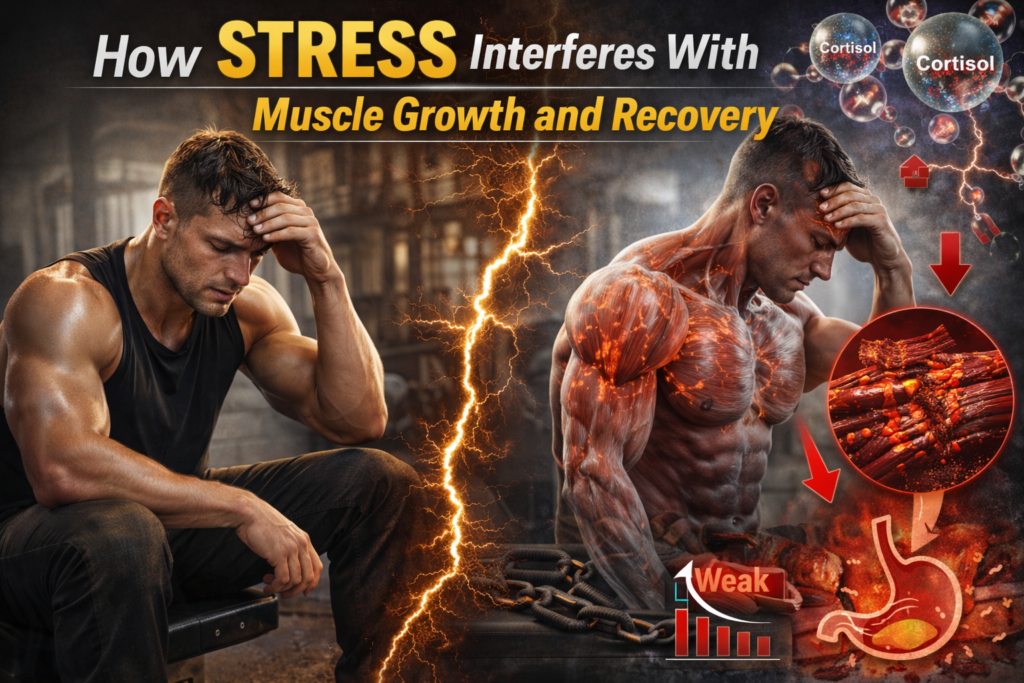
Regardless of the source, your body responds to stress by releasing cortisol, commonly known as the stress hormone.
In short bursts, cortisol is helpful—it mobilizes energy and keeps you alert. But when stress becomes chronic, cortisol stays elevated for too long, and that’s where problems begin.
1. Elevated Cortisol Blocks Muscle Growth
Muscle growth depends on a balance between muscle breakdown and muscle repair. Chronic stress disrupts this balance.
High cortisol levels can:
- Increase muscle protein breakdown
- Reduce muscle protein synthesis
- Suppress anabolic hormones like testosterone
- Shift the body into a catabolic (muscle-breaking) state
Even with proper training, elevated cortisol makes it harder for muscles to repair and grow. This is one of the most common reasons people train consistently but fail to see visible progress.
2. Stress Slows Down Muscle Recovery
Muscles don’t grow during workouts—they grow after, when the body repairs the damage caused by training.
Chronic stress keeps the nervous system stuck in a “fight or flight” mode, which slows recovery processes.
Common signs include:
- Persistent muscle soreness
- Tight or heavy muscles
- Longer recovery time between workouts
- Declining performance despite effort
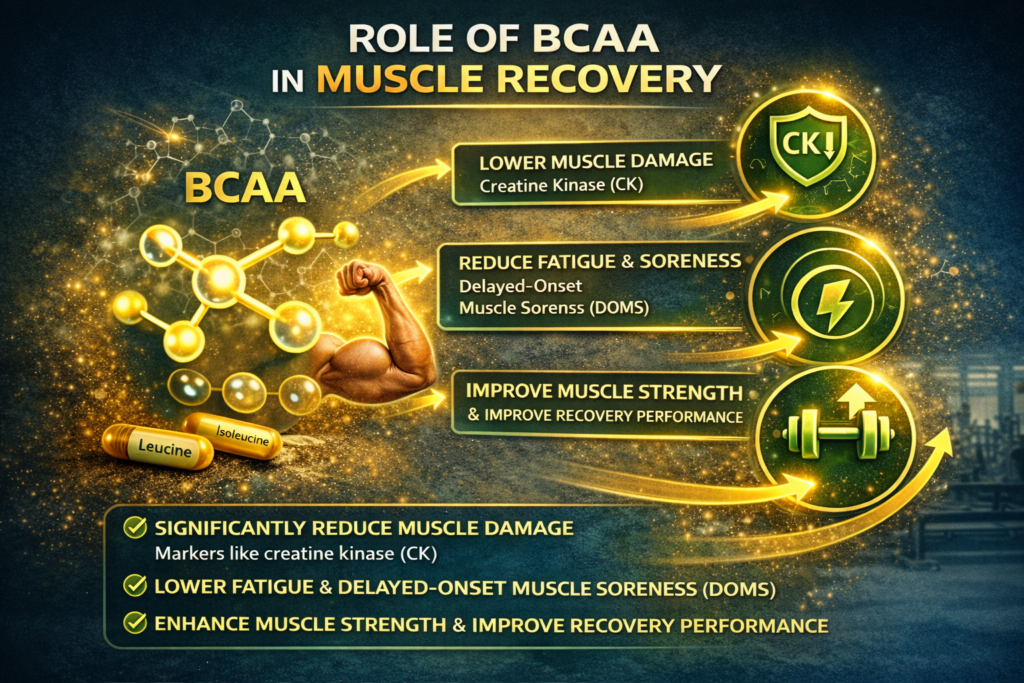
This is why recovery-focused strategies matter more during stressful periods. Many athletes emphasize post-workout recovery support during high-stress training phases to help the body transition out of stress mode and into repair mode.
3. Stress Disrupts Sleep, the Foundation of Recovery
Sleep is one of the most powerful tools for muscle repair and hormonal balance. Unfortunately, stress is one of the biggest sleep disruptors.
Chronic stress can lead to:
- Difficulty falling asleep
- Light or fragmented sleep
- Reduced deep sleep cycles
Poor sleep directly affects:
- Growth hormone release
- Muscle repair
- Strength and endurance
- Training motivation
No workout program or nutrition plan can compensate for consistently poor sleep caused by unmanaged stress.
4. Mental Stress Reduces Training Quality
Training performance isn’t only physical—it’s neurological.
Stress affects:
- Focus and concentration
- Mind–muscle connection
- Motivation and consistency
When mental stress is high, workouts often feel harder than they should. People may still show up at the gym, but training intensity drops, progression slows, and workouts become less effective over time.
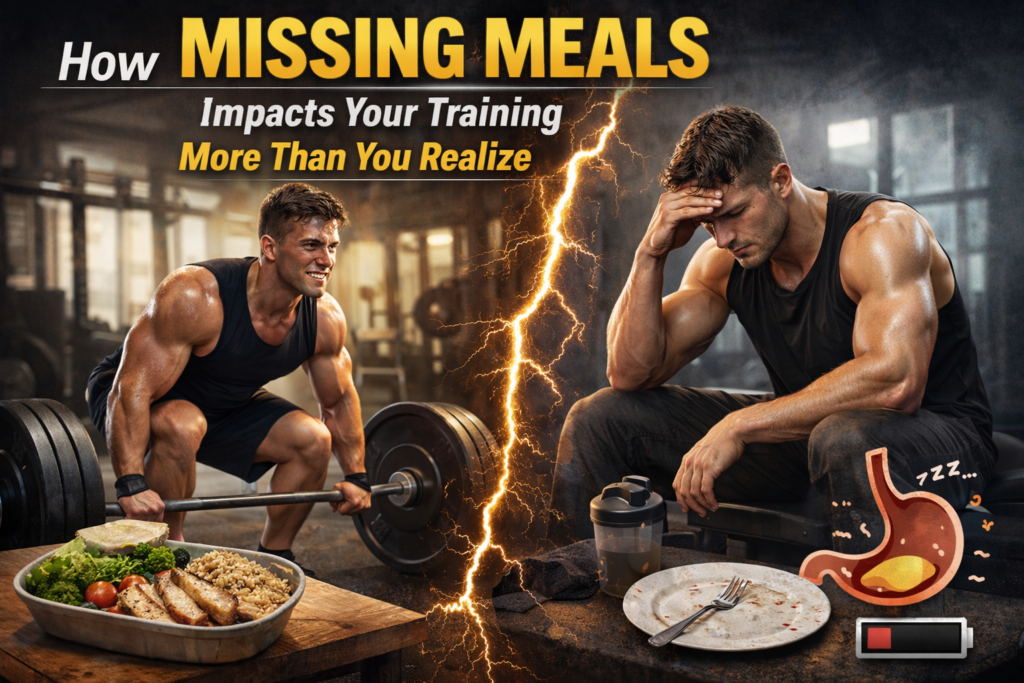
5. Stress Alters Appetite and Energy Intake
Stress impacts eating patterns in different ways.
Some people experience:
- Suppressed appetite
- Missed meals
- Difficulty eating enough calories
Others experience:
- Emotional eating
- Poor food choices
- Digestive discomfort
Both scenarios can interfere with muscle growth. Inadequate calorie intake under stress makes meeting daily calorie needs more challenging, especially for individuals trying to gain or maintain muscle mass.
This isn’t about replacing meals—it’s about avoiding prolonged under-fueling during demanding periods.
6. Stress and Overtraining Often Go Together
Your body doesn’t differentiate between:
- Physical stress from training
- Mental stress from work or life
It simply responds to the total stress load.
When both stack up, the risk of overtraining increases. Symptoms may include:
- Chronic fatigue
- Plateaued strength
- Frequent injuries
- Loss of motivation
Adding more workouts during stressful periods often worsens recovery instead of improving results.
7. Stress Affects Hormonal and Metabolic Balance
Beyond cortisol, chronic stress disrupts several systems involved in muscle recovery:
- Insulin sensitivity
- Testosterone balance
- Growth hormone activity
It can also strain metabolic processes responsible for:
- Energy regulation
- Nutrient utilization
- Recovery efficiency
This is why metabolic health support is often discussed as part of a holistic recovery approach, especially when stress levels remain elevated for long periods.
8. Why Managing Stress Is Essential for Long-Term Gains
You don’t need to eliminate stress completely—that’s unrealistic. What matters is managing it effectively.
Practical strategies include:
- Prioritizing sleep consistency
- Reducing training volume during stressful weeks
- Maintaining regular meals
- Scheduling rest or active recovery days
- Including simple stress-reduction habits like walking or breathing exercises
When stress is controlled, the body can shift from survival mode to growth mode.
Final Thoughts
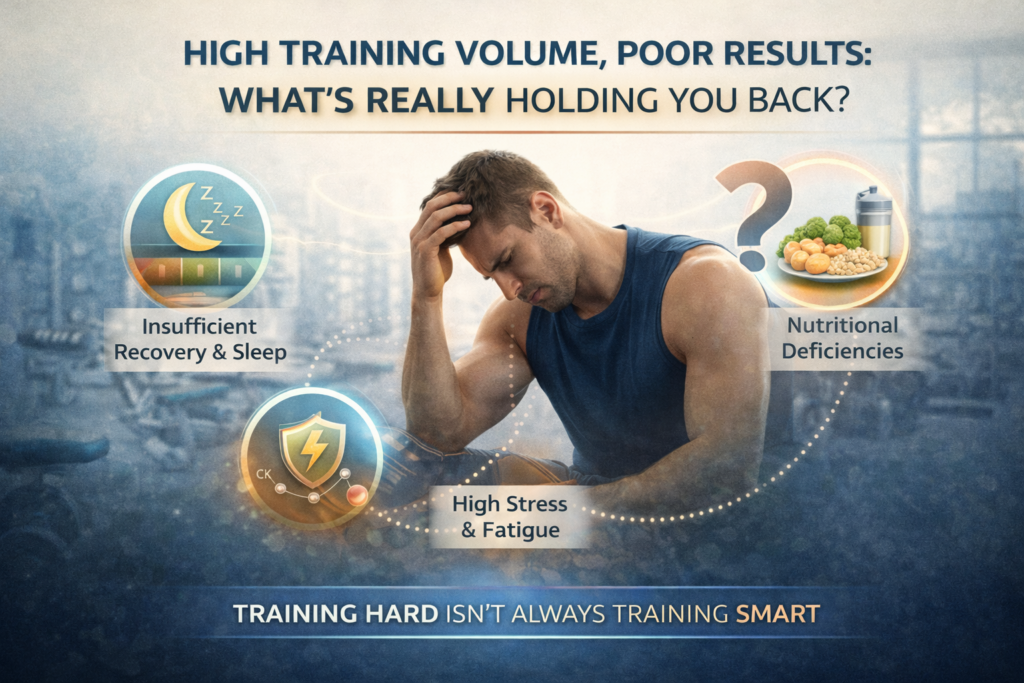
If you’re training hard, eating reasonably well, and still struggling with muscle growth or recovery, stress may be the missing link.
Stress interferes with muscle growth and recovery by disrupting hormones, sleep, appetite, and recovery pathways.
Treat stress management as part of your fitness plan—not an afterthought—and your training efforts will finally start paying off.