A Gentle Yet Powerful Way to Burn Fat, Build Stamina, and Stay Consistent
When it comes to weight loss, most people immediately think about joining a gym. Treadmills, weights, and intense workout routines often become the default choice. However, many individuals struggle with consistency due to boredom, joint pain, lack of time, or overly strenuous workouts.
Swimming offers a refreshing alternative. It is one of the few exercises that works the entire body while being gentle on joints. Whether someone is just beginning their fitness journey or looking for a sustainable fat loss activity, swimming can provide impressive results.
For individuals aiming for healthy and consistent weight loss, combining swimming with balanced nutrition and appropriate nutraceutical support can further enhance performance and recovery.
Why Many People Struggle With Gym Workouts
Gym workouts can definitely support weight loss, but they are not always easy to maintain long-term.
Common challenges include:
- Repetitive workout routines
• Muscle soreness in beginners
• Risk of joint strain
• Lack of motivation
• Time constraints
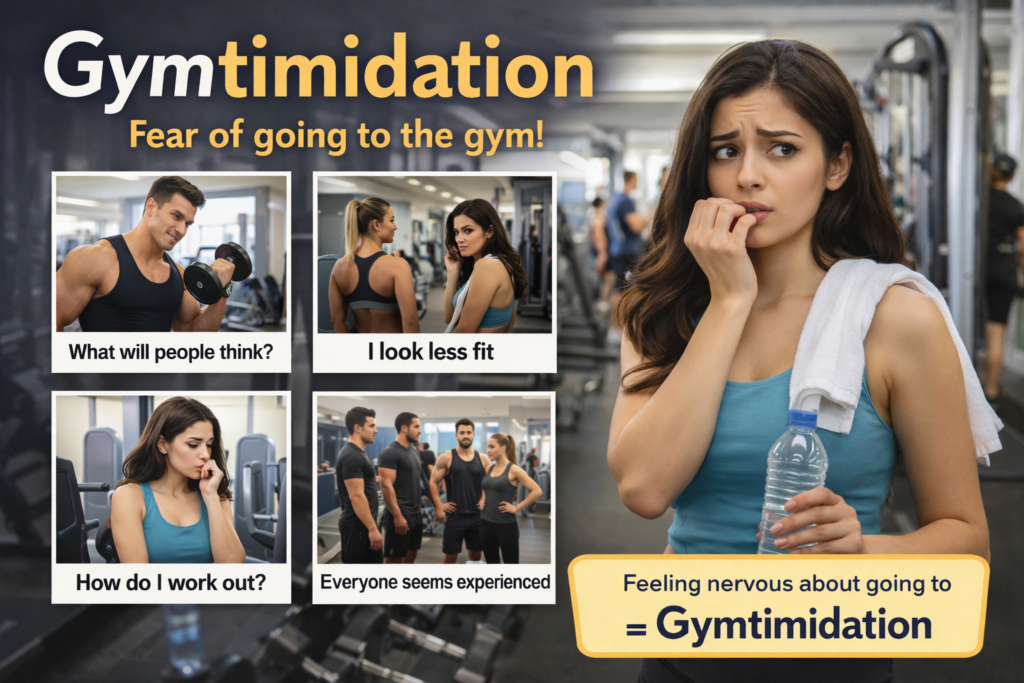
• Feeling intimidated by gym environment
Many people start gym memberships with enthusiasm but find it difficult to maintain the routine consistently.
Weight loss depends heavily on consistency, which is why choosing an enjoyable activity becomes important.
Why Swimming is Highly Effective for Weight Loss
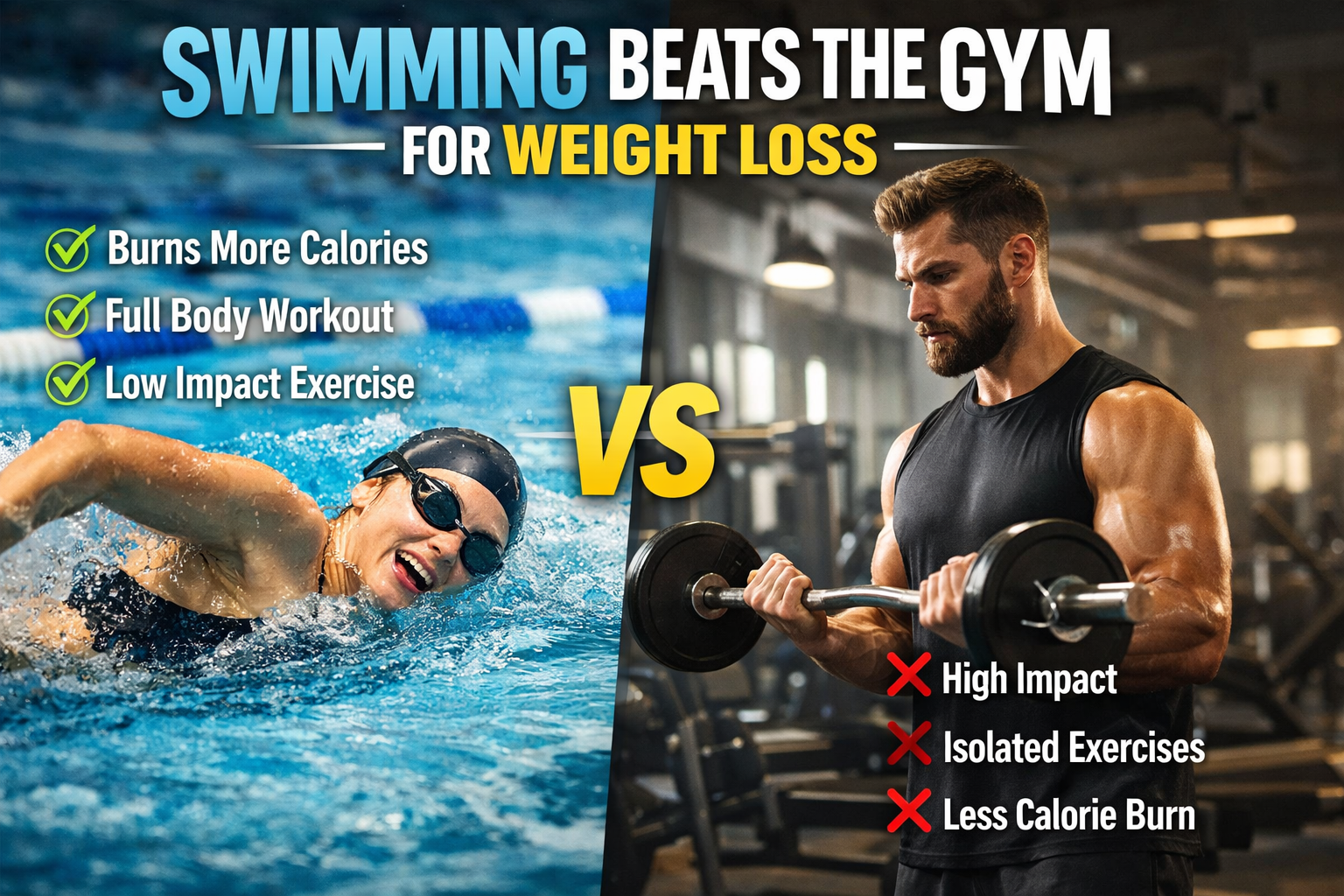
Swimming is a full-body workout that engages multiple muscle groups simultaneously. The resistance of water forces muscles to work harder compared to many land-based exercises.
Unlike gym workouts that often target specific muscle groups on different days, swimming activates:
- Arms
• Legs
• Core muscles
• Back
• Shoulders
Because the entire body is moving continuously, calorie burning becomes more efficient.
Swimming also combines cardio and strength training, making it highly effective for fat loss.
Calorie Burning Potential of Swimming
Swimming can burn a significant number of calories depending on intensity and stroke style.
Average calorie burn per 45 minutes:
- Freestyle – high calorie burn
• Butterfly stroke – very high intensity
• Breaststroke – moderate intensity
• Backstroke – moderate intensity
Water resistance increases effort, which supports fat burning without putting excess pressure on joints.
Swimming vs Gym for Weight Loss
Factor | Swimming | Gym |
Full body workout | Yes | Depends on routine |
Joint impact | Very low | Moderate to high |
Calorie burn | High | Moderate to high |
Risk of injury | Low | Moderate |
Enjoyment level | High | Depends on preference |
Consistency | Easier for many people | Sometimes difficult |
Swimming often feels more refreshing than repetitive gym routines, making it easier to maintain long term.
How Swimming Activates Core Muscles
Core muscles play an important role in weight loss because they support posture, stability, and movement efficiency.
While swimming, the body constantly balances itself in water, naturally engaging abdominal muscles.
Core muscles used during swimming:
- Upper abs
• Lower abs
• Obliques
• Lower back muscles
This continuous engagement helps strengthen the midsection gradually.
Beginner Friendly Swimming Routine for Weight Loss
1. Warm-Up (5–10 minutes)
Start slowly to allow the body to adjust to water.
Examples:
• Slow freestyle laps
• Gentle kicking holding pool edge
• Shoulder rotation in water
Warm-up helps prevent muscle stiffness.
2. Freestyle Laps (10 minutes)
Freestyle is one of the most effective strokes for calorie burning.
Maintain steady breathing and relaxed movements.
Benefits:
• Improves stamina
• Activates full body muscles
3. Breaststroke (10 minutes)
Breaststroke is comfortable for beginners and supports controlled breathing.
Benefits:
• Improves flexibility
• Engages arms and legs
4. Kickboard Practice (5 minutes)
Using a kickboard helps strengthen lower body muscles.
Benefits:
• Activates thigh muscles
• Supports calorie burning
5. Cool Down (5 minutes)
Slow movements help relax muscles.
Examples:
• Gentle floating
• Slow backstroke
• Deep breathing
Cooling down helps reduce fatigue.
Why Swimming is Gentle on Joints
Unlike running or intense gym workouts, swimming reduces stress on joints because water supports body weight.
This makes swimming suitable for:
- Beginners
• Overweight individuals
• People with knee discomfort
• Individuals recovering from injury
Low-impact exercise allows longer workout duration without excessive strain.
Role of Nutrition in Healthy Weight Loss
Physical activity provides better results when supported with proper nutrition.
The body requires:
- Protein for muscle repair
• Vitamins for metabolism
• Minerals for hydration balance
• Amino acids for recovery
Some individuals include nutraceutical support as part of their fitness routine.
Consuming a balanced pre-workout supplement before swimming may help support energy levels and stamina, especially during longer sessions.
Post-Swimming Recovery Support
After swimming, muscles require recovery support to maintain strength and consistency.
Post-workout nutrition helps:
- Reduce tiredness
• Support muscle repair
• Maintain lean muscle mass
• Prepare body for next session
Including a balanced post-workout supplement after swimming sessions may support recovery and help maintain workout consistency.
Recovery plays an important role in long-term weight management.
Weekly Swimming Plan for Weight Loss
Day | Activity |
Monday | Swimming laps |
Tuesday | Light walking |
Wednesday | Swimming practice |
Thursday | Rest or stretching |
Friday | Swimming intervals |
Saturday | Light swimming |
Sunday | Active recovery |
Consistency supports gradual and sustainable weight loss.
Additional Tips to Improve Results
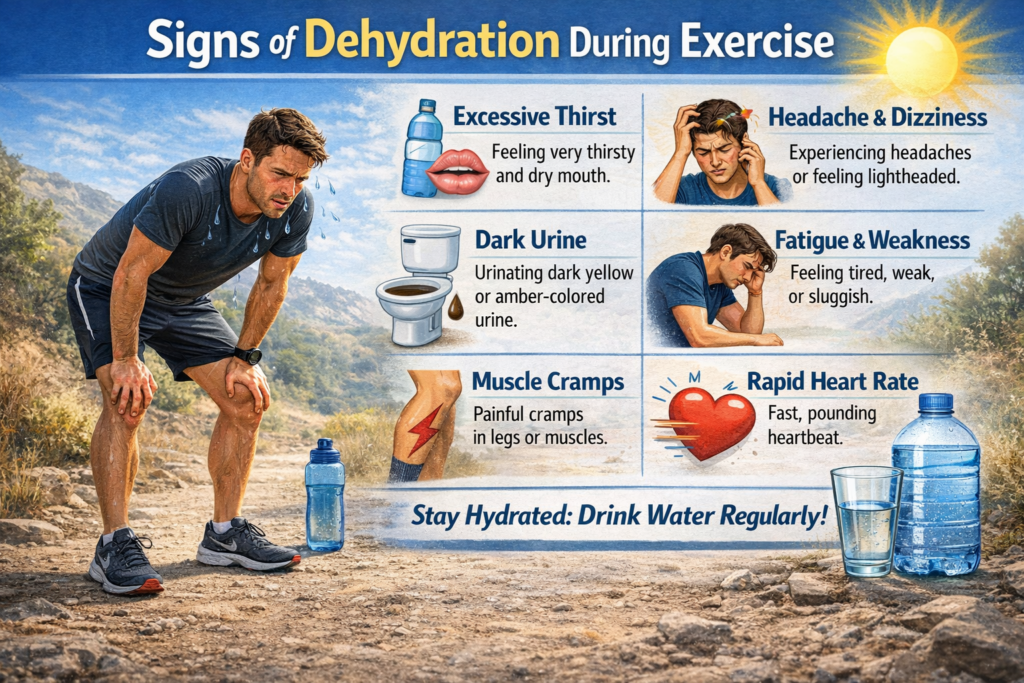
- Stay hydrated
• Eat balanced meals
• Sleep adequately
• Track progress monthly
• Maintain regular activity
• Avoid extreme dieting
Healthy routines provide sustainable results.
Why Many People Prefer Swimming Over Gym
Swimming often feels refreshing rather than exhausting.
Benefits people commonly experience:
- Less boredom compared to repetitive workouts
• Relaxing effect of water
• Full body engagement
• Lower injury risk
• Suitable for all age groups
Enjoyable activities are easier to continue regularly.
Conclusion
Swimming provides an effective and enjoyable way to support weight loss. It engages multiple muscle groups, improves stamina, and supports calorie burning without excessive stress on joints.
When combined with balanced nutrition and proper recovery support, swimming can become a sustainable fitness habit.
Choosing an activity that feels comfortable and enjoyable increases the chances of maintaining consistency, which plays the most important role in achieving long-term weight management goals.