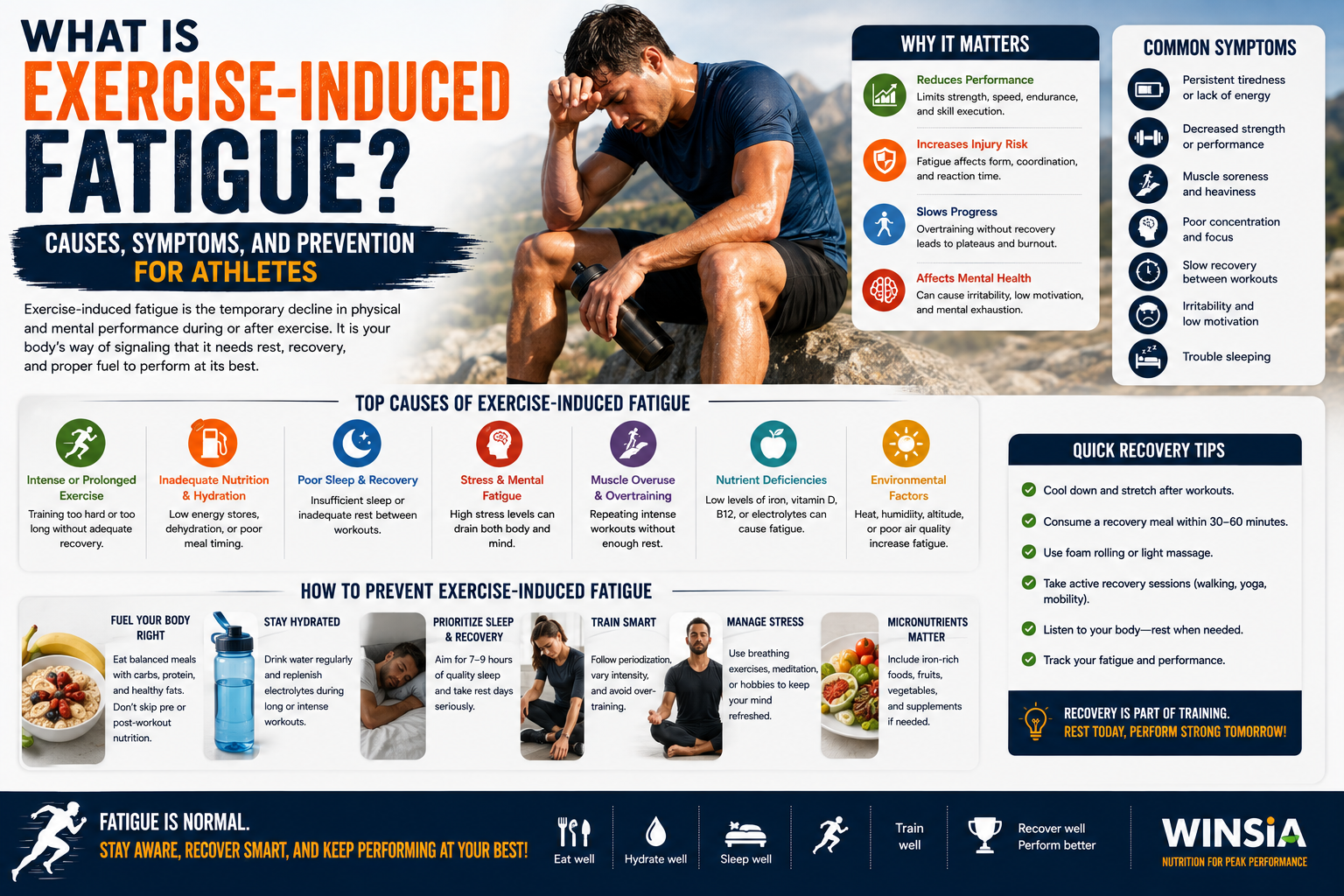
Athletes and fitness enthusiasts often push their bodies to improve performance, build strength, and achieve new goals. While regular training is essential for progress, excessive physical exertion without proper recovery can lead to a condition known as exercise-induced fatigue.
Exercise-induced fatigue is a common challenge among athletes, runners, cyclists, swimmers, gym-goers, and sports professionals. It can affect physical performance, reduce motivation, and increase the risk of injuries if not managed properly.
Understanding the causes, symptoms, and prevention strategies for exercise-induced fatigue can help athletes train smarter, recover better, and maintain long-term performance.
What Is Exercise-Induced Fatigue?
Exercise-induced fatigue refers to the temporary decline in physical or mental performance that occurs during or after prolonged or intense physical activity. It happens when the body is unable to maintain the same level of performance due to depletion of energy stores, muscle stress, dehydration, or inadequate recovery.
Fatigue is a natural response to exercise. However, when it becomes excessive or persistent, it can negatively affect athletic performance and overall wellbeing.
Athletes experiencing exercise-induced fatigue may notice reduced endurance, slower recovery, and difficulty maintaining their usual training intensity.
Why Does Exercise-Induced Fatigue Occur?
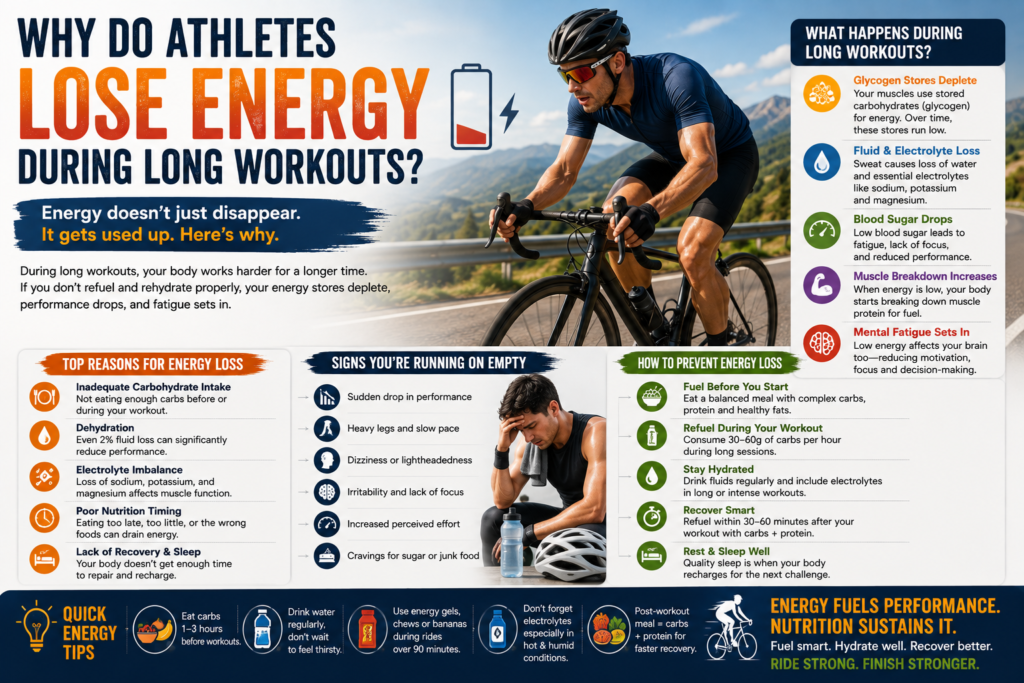
The human body requires energy, oxygen, nutrients, and proper recovery to perform efficiently. When any of these factors become insufficient, fatigue can develop.
Common Causes of Exercise-Induced Fatigue
1. Energy Depletion
Muscles rely on glycogen, which is stored glucose, as a primary source of energy during exercise. Prolonged activity can deplete glycogen stores, leading to reduced energy levels.
2. Muscle Stress and Microdamage
Intense workouts create small tears in muscle fibers. While this process is necessary for muscle growth and adaptation, excessive training without recovery can contribute to fatigue.
3. Dehydration
During exercise, the body loses fluids through sweat. Inadequate hydration can reduce blood flow, impair muscle function, and increase feelings of exhaustion.
4. Lack of Sleep
Sleep plays a critical role in muscle recovery and hormone regulation. Athletes who consistently get insufficient sleep may experience increased fatigue and slower recovery.
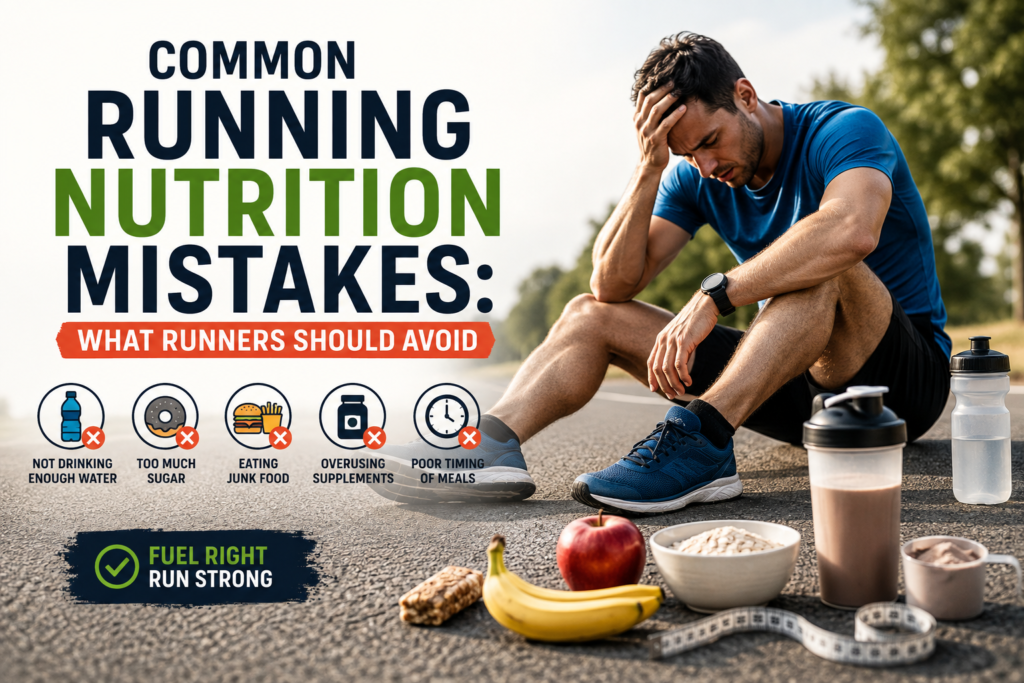
5. Nutritional Deficiencies
Poor nutrition can limit the body’s ability to produce energy and repair tissues. Low intake of carbohydrates, protein, vitamins, and minerals can contribute to fatigue.
6. Overtraining
Training too frequently or intensely without sufficient rest can overwhelm the body’s recovery capacity, leading to chronic fatigue and reduced performance.
Signs and Symptoms of Exercise-Induced Fatigue
Recognizing symptoms early can help athletes take corrective action before fatigue affects performance significantly.
Physical Symptoms
- Persistent tiredness
- Reduced stamina
- Muscle soreness lasting longer than usual
- Heavy or weak muscles
- Slower workout performance
- Increased heart rate during exercise
- Frequent muscle cramps
Mental Symptoms
- Reduced motivation to train
- Difficulty concentrating
- Irritability
- Mental exhaustion
- Reduced focus during workouts
Recovery-Related Symptoms
- Longer recovery time after exercise
- Poor sleep quality
- Feeling tired even after resting
- Reduced ability to complete usual workouts
How Exercise-Induced Fatigue Affects Athletic Performance
Fatigue affects more than just energy levels. It can impact multiple aspects of athletic performance.
Effect of Fatigue | Impact on Athletes |
Reduced endurance | Shorter workout duration |
Decreased strength | Lower training performance |
Slower reaction time | Reduced sports performance |
Poor coordination | Increased injury risk |
Reduced focus | Difficulty maintaining technique |
Delayed recovery | Inconsistent training progress |
Managing fatigue is essential for long-term athletic success.
The Science Behind Exercise-Induced Fatigue
Exercise-induced fatigue can be classified into two main categories:
Central Fatigue
Central fatigue originates in the brain and nervous system. It affects motivation, concentration, and the ability to voluntarily activate muscles.
Peripheral Fatigue
Peripheral fatigue occurs within the muscles themselves. It is often caused by energy depletion, metabolic by-products, and muscle damage.
Both forms of fatigue can occur simultaneously during prolonged or high-intensity exercise.
How Proper Training Helps Prevent Fatigue
One of the most effective ways to prevent exercise-induced fatigue is following a structured training program.
Benefits of Structured Training
- Improves endurance gradually
- Allows adequate recovery
- Reduces risk of overtraining
- Enhances performance adaptation
- Supports long-term progress
Athletes should increase workout intensity gradually rather than making sudden changes.
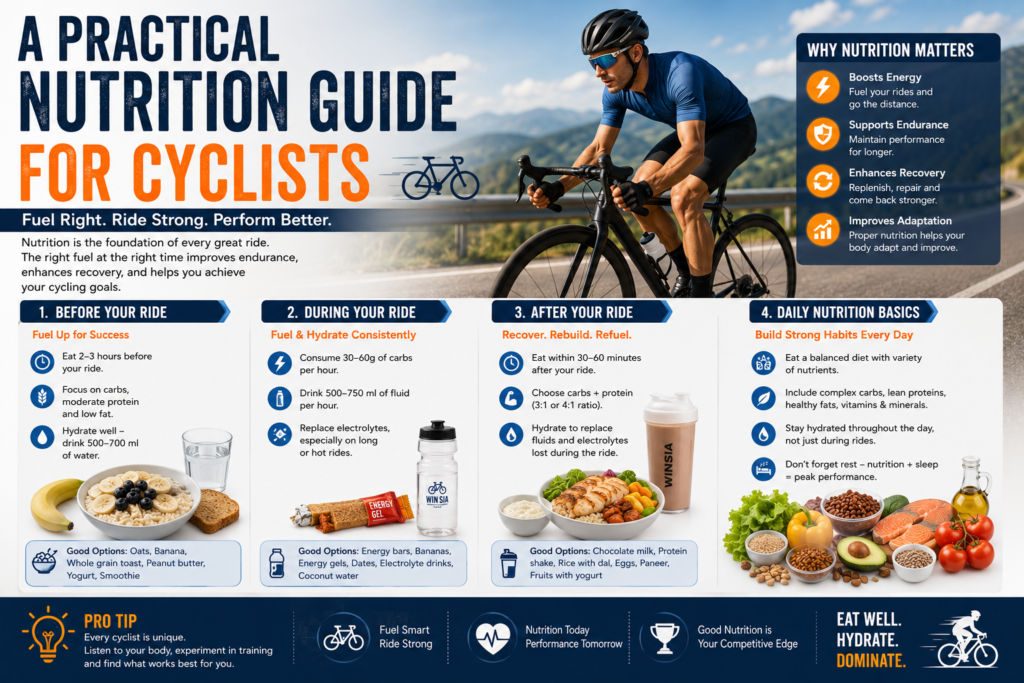
Role of Nutrition in Managing Exercise-Induced Fatigue
Nutrition is one of the most important factors in preventing fatigue and supporting recovery.
The body requires adequate fuel before, during, and after exercise.
Key Nutrients for Athletes
Carbohydrates
Carbohydrates provide the primary energy source for exercise.
Examples:
- Oats
- Rice
- Whole grains
- Fruits
- Sweet potatoes
Protein
Protein supports muscle repair and recovery.
Examples:
- Eggs
- Dairy products
- Paneer
- Tofu
- Legumes
Healthy Fats
Healthy fats support overall energy balance.
Examples:
- Nuts
- Seeds
- Avocados
Balanced meals help maintain energy and reduce fatigue.
Pre-Workout Nutrition Support
Pre-workout nutrition helps prepare the body for physical activity.
Good pre-workout options include:
- Banana
- Oats
- Yogurt
- Fruit smoothie
- Whole-grain toast
Some athletes choose to include a pre-workout supplement (https://winsia.co.in/product/winrec/) as supportive nutrition before training sessions. Such supplements should be viewed as complementary to a balanced diet rather than a replacement for healthy eating habits.
Proper pre-workout nutrition may help support energy levels and workout readiness.
Importance of Hydration
Dehydration is one of the most common contributors to exercise-induced fatigue.
Hydration Tips for Athletes
- Drink water throughout the day
- Hydrate before exercise
- Sip fluids during workouts
- Rehydrate after training
Even mild dehydration can reduce performance and increase perceived effort.
Post-Workout Recovery and Fatigue Prevention
Recovery is when the body repairs and adapts to training stress.
Effective recovery strategies include:
Post-Workout Nutrition
Examples:
- Milk or plant-based protein drinks
- Sprouts
- Paneer or tofu
- Rice and dal
- Fruits
Some athletes may choose a post-workout supplement (https://winsia.co.in/product/post-workout/) as part of their recovery strategy depending on their nutritional requirements.
Rest and Sleep
Athletes should aim for:
- 7–9 hours of sleep
- Consistent sleep schedule
- Proper rest days
Recovery is essential for performance improvement.
Sample Weekly Training and Recovery Plan
Day | Activity |
Monday | Strength training |
Tuesday | Cardio workout |
Wednesday | Recovery walk or yoga |
Thursday | Strength training |
Friday | Moderate cardio |
Saturday | Sports or endurance training |
Sunday | Full rest day |
A balanced schedule reduces fatigue risk while supporting progress.
Additional Tips to Prevent Exercise-Induced Fatigue
Follow these simple habits:
- Eat balanced meals
- Stay hydrated
- Prioritize sleep
- Take recovery days seriously
- Avoid sudden increases in training volume
- Manage stress levels
- Listen to your body
Small adjustments can significantly improve recovery and performance.
When Should Athletes Seek Professional Advice?
If fatigue persists despite proper nutrition, hydration, and recovery, it may be helpful to consult a healthcare professional.
Seek guidance if you experience:
- Extreme exhaustion
- Persistent muscle weakness
- Frequent injuries
- Reduced performance over several weeks
- Unexplained fatigue
Early intervention can help prevent more serious issues.
Conclusion
Exercise-induced fatigue is a natural response to physical activity, but excessive or prolonged fatigue can affect athletic performance and recovery. Understanding its causes, recognizing symptoms early, and following proper training, nutrition, hydration, and recovery strategies can help athletes stay healthy and perform at their best.
While hard work and dedication are important for success, recovery is equally essential. By balancing training with adequate rest and nutrition, athletes can reduce fatigue, improve endurance, and support long-term performance goals.