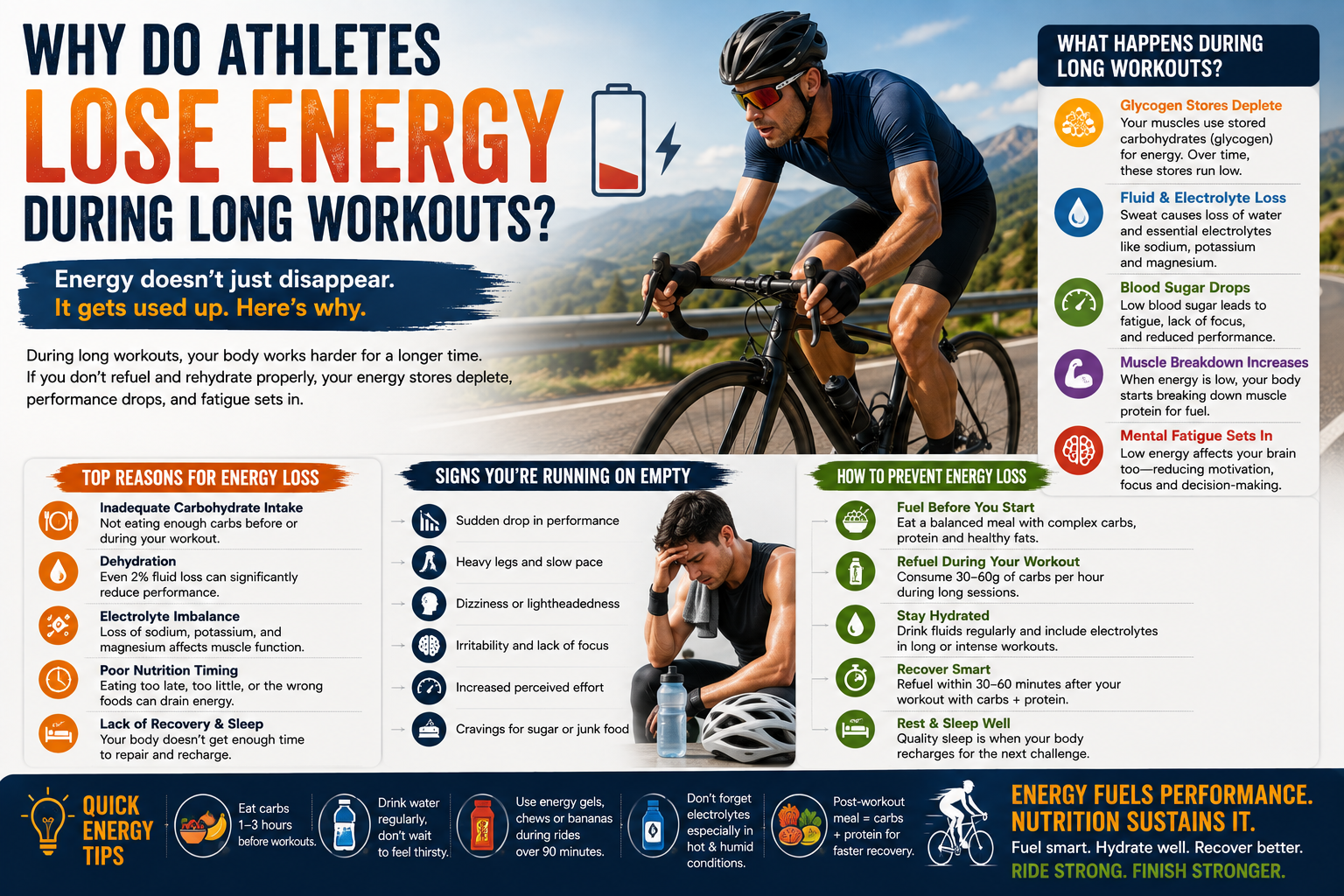
Why Do Athletes Lose Energy During Long Workouts?
Long workouts can improve endurance, strength, and athletic performance, but many athletes notice that their energy drops before they finish training. Whether you’re a runner, cyclist, football player, gym enthusiast, or endurance athlete, feeling tired during extended exercise is common. The real question is: why does it happen, and how can you prevent it?
Energy loss during long workouts is not always a sign of poor fitness. It is often the result of how your body uses fuel, fluids, oxygen, and nutrients while exercising. Understanding these factors can help you train smarter, recover faster, and perform better.
In this guide, we’ll explain the science behind workout fatigue, common mistakes that drain your energy, and practical ways to stay energized throughout your training sessions.
Why Do Athletes Lose Energy During Long Workouts?
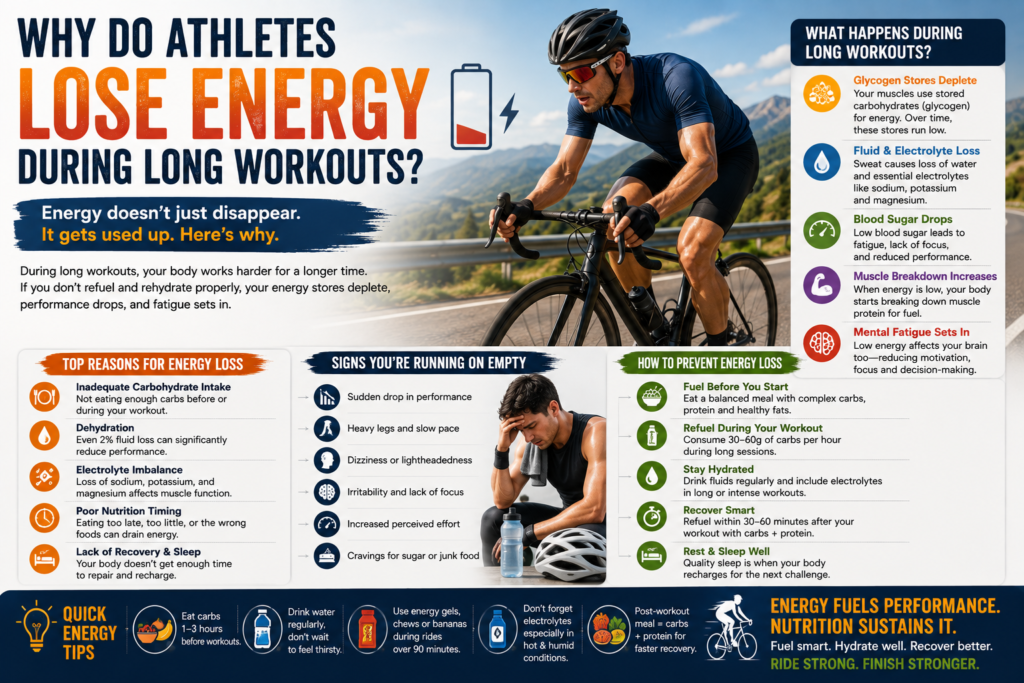
Your body needs a constant supply of energy to keep your muscles working. During exercise, it mainly uses carbohydrates and fats as fuel. As workout duration increases, your energy stores gradually decrease.
Several factors contribute to this drop in energy, including:
- Depletion of glycogen stores
- Dehydration
- Electrolyte imbalance
- Muscle fatigue
- Mental exhaustion
- Poor nutrition
- Inadequate recovery
When more than one of these factors occurs together, athletes often experience a noticeable decline in performance.
The Science behind Energy Loss during Exercise
Glycogen Stores Begin to Run Low
Glycogen is the stored form of carbohydrates found in your muscles and liver. It is your body’s preferred fuel during moderate to high-intensity exercise.
During workouts lasting longer than 60 to 90 minutes, glycogen stores gradually become depleted. Once these stores become low, your body shifts toward using more fat for energy.
Although fat provides plenty of energy, it is converted into usable fuel much more slowly than carbohydrates. This is one reason athletes suddenly feel slower, weaker, or “hit the wall.”
Dehydration Reduces Performance
Even losing 2% of your body weight through sweat can negatively affect athletic performance.
Dehydration may cause:
- Reduced blood circulation
- Increased heart rate
- Poor temperature regulation
- Muscle cramps
- Fatigue
- Lower endurance
The longer your workout, especially in hot weather, the greater the risk.
Electrolytes Become Imbalanced
Sweat contains important minerals such as:
- Sodium
- Potassium
- Magnesium
- Calcium
These electrolytes help muscles contract and nerves communicate properly.
When large amounts are lost through sweating without replacement, athletes may experience:
- Muscle cramps
- Weakness
- Reduced power output
- Fatigue
Oxygen Delivery Becomes Less Efficient
Working muscles require oxygen to produce energy.
As exercise continues:
- Heart rate remains elevated.
- Breathing becomes heavier.
- Muscles demand more oxygen.
If oxygen delivery cannot keep up with demand, fatigue develops more quickly.
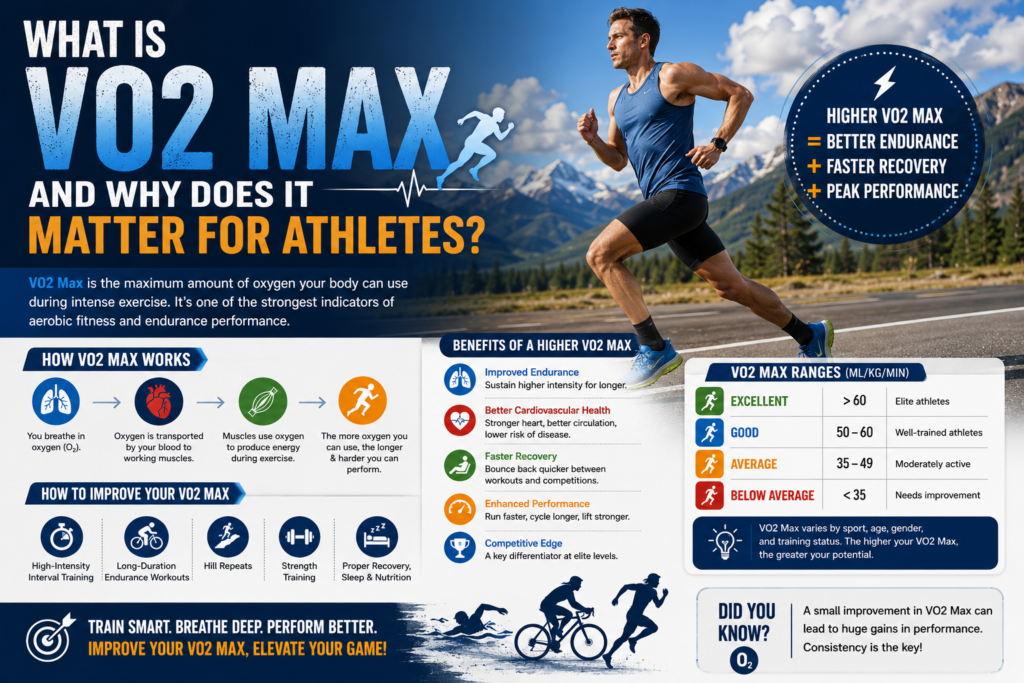
This is why endurance training helps improve aerobic capacity over time.
Lactic Acid Isn’t the Real Problem
Many people believe lactic acid directly causes fatigue.
Modern sports science shows that lactate itself is actually an energy source. Fatigue is more closely linked to:
- Hydrogen ion buildup
- Muscle acidity
- Reduced muscle contraction efficiency
- Nervous system fatigue
Common Reasons Athletes Feel Tired During Long Workouts
Poor Pre-Workout Nutrition
Starting exercise with low energy stores can lead to early fatigue.
Common mistakes include:
- Skipping meals
- Eating too little
- Consuming heavy foods immediately before exercise
Inadequate Hydration
Waiting until you’re thirsty often means you’re already mildly dehydrated.
Consistently drinking water before and during training helps maintain performance.
Training Too Hard Too Soon
Starting at maximum intensity quickly drains glycogen stores.
Proper pacing allows athletes to conserve energy for the later stages of training.
Poor Sleep
Sleep is when muscles repair and energy stores recover.
Even one night of poor sleep can reduce:
- Endurance
- Strength
- Coordination
- Mental focus
Overtraining
Training hard every day without sufficient recovery can lead to:
- Constant fatigue
- Declining performance
- Increased injury risk
- Reduced motivation
Recovery is an essential part of athletic progress.
Signs Your Body Is Running Out of Energy
Watch for these common symptoms:
- Sudden drop in pace
- Heavy legs
- Muscle weakness
- Dizziness
- Difficulty concentrating
- Increased heart rate
- Slower reaction time
- Lack of motivation
Recognizing these signs early allows you to adjust your workout before performance declines further.
How to Maintain Energy During Long Workouts
- Eat Enough Carbohydrates
Carbohydrates remain the body’s primary fuel during long workouts.
Good options include:
- Oats
- Rice
- Sweet potatoes
- Whole grains
- Fruits
- Bananas
Athletes performing endurance activities often benefit from higher carbohydrate intake.
- Stay Properly Hydrated
General hydration tips:
- Drink water before training.
- Sip fluids regularly during exercise.
- Replace fluids lost through sweating afterward.
For very long or intense workouts, electrolyte-containing drinks may be helpful.
- Pace Yourself
Instead of beginning at full intensity:
- Start steadily.
- Maintain a sustainable effort.
- Increase intensity gradually if needed.
This helps preserve energy throughout the workout.
- Improve Aerobic Fitness
Regular endurance training improves:
- Oxygen delivery
- Heart efficiency
- Mitochondrial function
- Fat utilization
As fitness improves, athletes can maintain performance for longer before fatigue develops.
- Prioritize Recovery
Recovery should include:
- Quality sleep
- Balanced meals
- Adequate hydration
- Rest days
- Mobility exercises
Recovery allows glycogen stores to replenish and muscles to repair.
Nutrition’s Role in Sustaining Energy
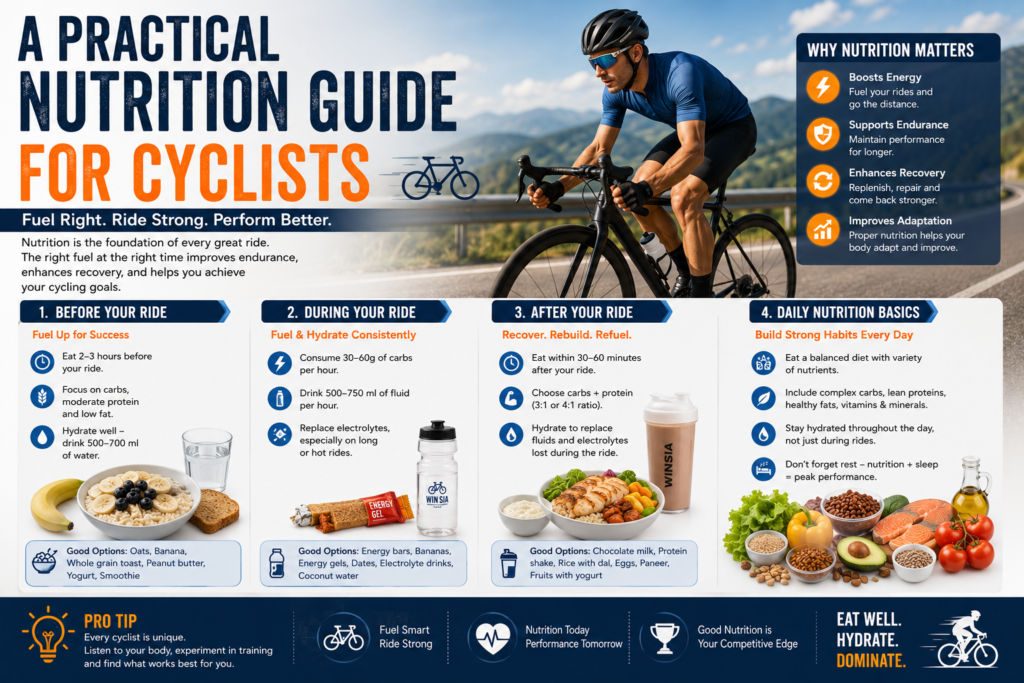
Nutrition before, during, and after exercise significantly affects athletic performance.
Timing | Purpose | Recommended Foods |
Before Workout | Build energy stores | Oats, banana, whole grain toast, yogurt |
During Long Workouts | Maintain energy | Water, electrolytes, sports drinks, fruit when appropriate |
After Workout | Recovery | Lean protein, carbohydrates, fruits, vegetables |
Balanced nutrition helps athletes maintain consistent performance throughout training.
Natural Pre-Workout Nutrition
Many athletes prefer to support training with nutrient-rich foods before exercise.
Simple pre-workout choices include:
- Banana with peanut butter
- Oats with fruit
- Yogurt with berries
- Whole-grain toast
- Smoothies
Some athletes also choose a pre-workout supplement to support their training routine when appropriate. Learn more about a natural option here: pre-workout supplement (https://winsia.co.in/product/winrec/).
The goal is not stimulation but providing the body with the nutrients needed for sustained performance.
Post-Workout Recovery Matters
Energy recovery begins immediately after exercise.
A balanced recovery meal should include:
- Protein
- Complex carbohydrates
- Healthy fats
- Fluids
- Electrolytes
Proper recovery supports muscle repair and helps restore glycogen for the next workout.
Some athletes also include a post-workout supplement as part of their recovery strategy. You can learn more here: post-workout supplement (https://winsia.co.in/product/post-workout/).
Recovery nutrition is just as important as workout nutrition.
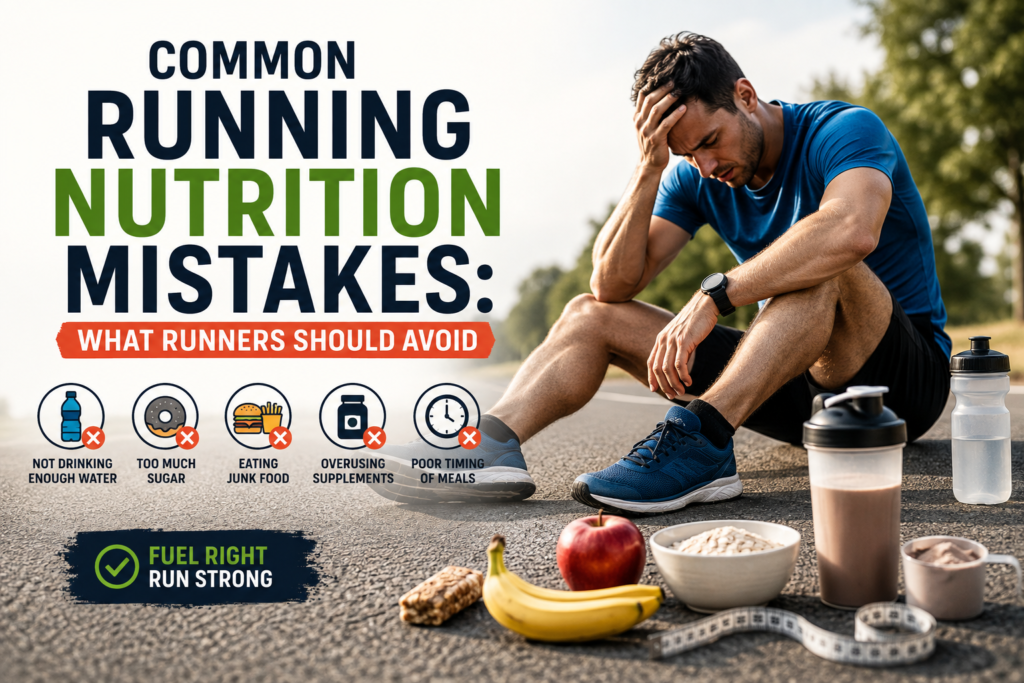
Common Mistakes That Drain Energy
Avoid these common errors:
- Skipping breakfast before training
- Not drinking enough water
- Ignoring electrolyte replacement
- Training without recovery days
- Eating too little protein
- Beginning workouts too aggressively
- Sleeping fewer than seven hours regularly
- Trying new foods immediately before competition
Small improvements in these areas can produce noticeable performance gains.
Additional Tips for Better Endurance
- Train consistently rather than occasionally.
- Increase workout duration gradually.
- Monitor hydration before and after exercise.
- Practice race-day nutrition during training.
- Include strength training alongside endurance work.
- Stretch and cool down properly.
- Listen to early signs of fatigue.
- Keep a training journal to identify energy patterns.
Consistency often matters more than intensity.
Frequently Asked Questions
Why do I suddenly lose energy during long workouts?
The most common causes include depleted glycogen stores, dehydration, electrolyte loss, poor pacing, or inadequate nutrition before exercise.
Can dehydration really reduce athletic performance?
Yes. Even mild dehydration can increase fatigue, reduce endurance, and impair concentration during exercise.
What should I eat before a long workout?
A meal rich in complex carbohydrates with moderate protein about two to three hours before training is generally recommended.
Is fatigue always a sign of poor fitness?
No. Even highly trained athletes experience fatigue during prolonged exercise. Proper nutrition, hydration, pacing, and recovery play major roles.
How can I recover faster after intense training?
Focus on hydration, protein, carbohydrates, quality sleep, and active recovery. Consistent recovery habits improve long-term performance.
Final Thoughts
Losing energy during long workouts is a natural response to prolonged physical effort, but it doesn’t have to limit your performance. Understanding how glycogen, hydration, electrolytes, oxygen delivery, and recovery work together allows athletes to make smarter training decisions.
Simple habits such as eating balanced meals, staying hydrated, pacing workouts properly, and prioritizing recovery can significantly improve endurance and reduce fatigue over time.
Instead of pushing harder when your body is running low on energy, focus on fueling it wisely. Sustainable performance comes from preparation, consistency, and recovery—not just harder training.