Carbohydrate Loading: When and How Should Athletes Do It?
Whether you’re preparing for a marathon, a long-distance cycling event, a triathlon, or any endurance competition, your training is only one part of the equation. Nutrition plays an equally important role in helping your body perform at its best. One nutrition strategy that many endurance athletes use is carbohydrate loading.
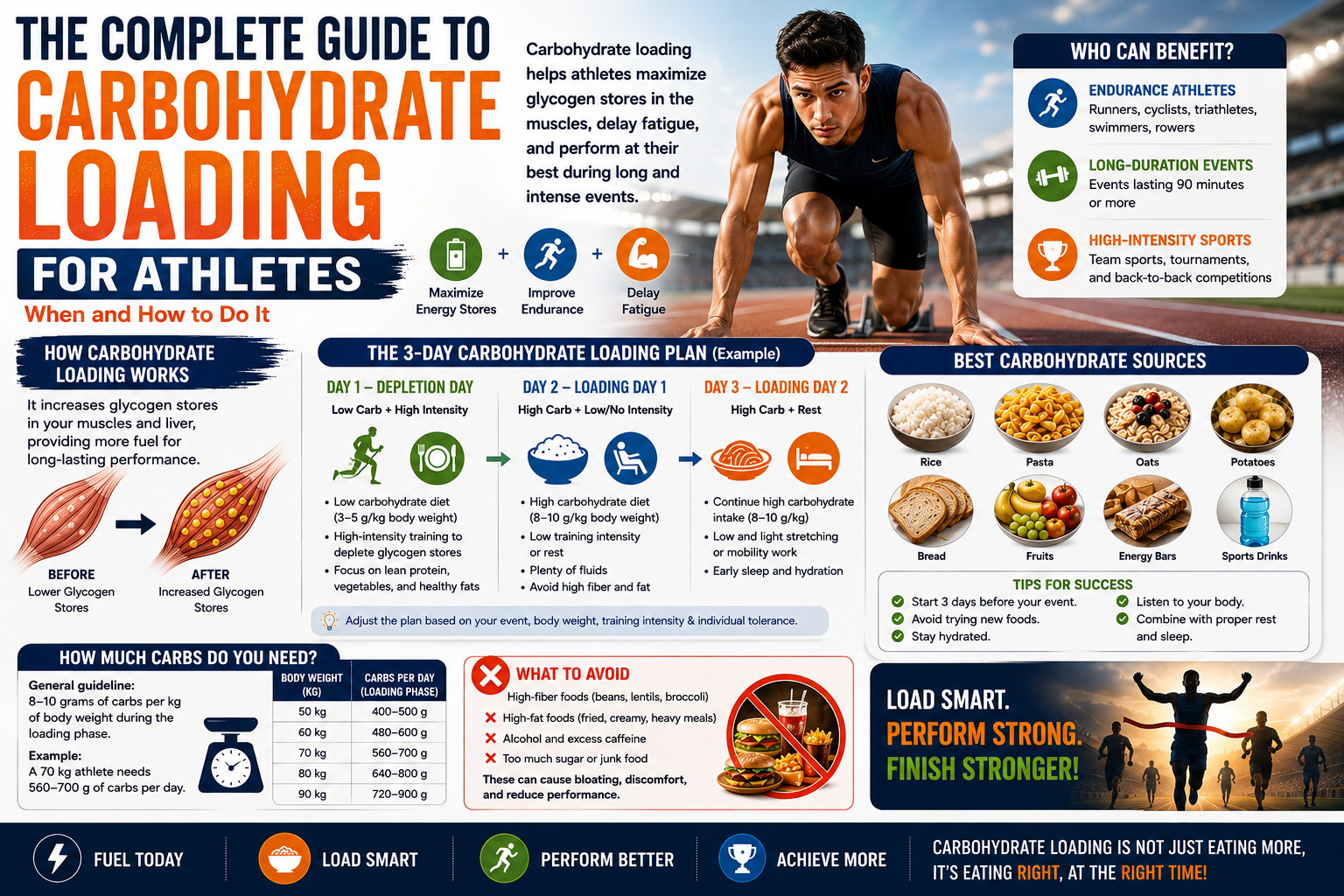
Carbohydrate loading is a planned approach to increasing the body’s carbohydrate stores before a long-duration event. The goal is to maximize muscle glycogen, which serves as the body’s primary source of energy during prolonged exercise.
However, carbohydrate loading isn’t necessary for every workout or every athlete. Understanding when and how to use carbohydrate loading can help improve endurance, delay fatigue, and support better athletic performance.
In this guide, we’ll explain what carbohydrate loading is, how it works, who should use it, and practical tips to do it effectively.
What Is Carbohydrate Loading?
Carbohydrate loading, also known as carb loading, is a nutrition strategy that involves increasing carbohydrate intake several days before a long-duration endurance event.
The purpose is to increase the amount of glycogen stored in the muscles and liver.
Glycogen is the stored form of carbohydrates and acts as the body’s main fuel source during moderate to high-intensity exercise.
When glycogen stores are full, athletes have more available energy during long events, which may help delay fatigue and improve endurance.
Why Does Glycogen Matter for Athletes?
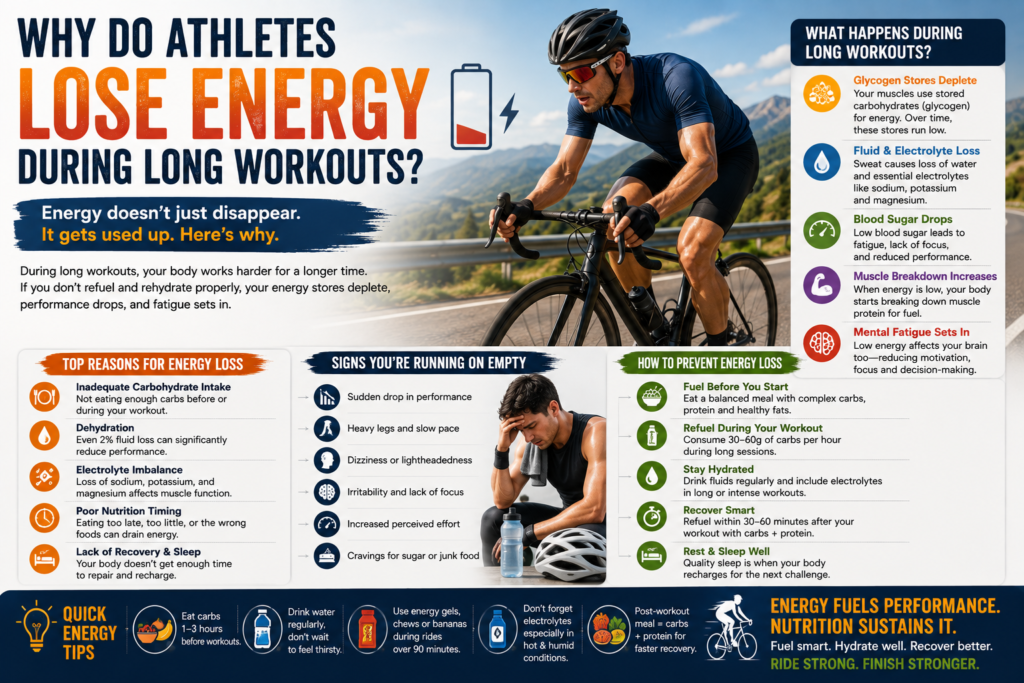
During endurance activities, your muscles rely heavily on glycogen for energy.
Examples include:
- Marathon running
- Long-distance cycling
- Triathlons
- Swimming competitions
- Football tournaments
- Long trekking events
As glycogen stores become depleted, athletes often experience a sudden drop in energy, commonly known as “hitting the wall.”
Maintaining healthy glycogen stores allows athletes to continue performing efficiently for a longer period.
How Does Carbohydrate Loading Work?
When you increase carbohydrate intake while reducing training volume before an event, your muscles store more glycogen than usual.
This process is called glycogen supercompensation.
With higher glycogen stores, the body has more readily available energy during prolonged exercise.
Benefits may include:
- Better endurance
- Delayed fatigue
- Improved exercise capacity
- Reduced risk of early exhaustion
Carbohydrate loading is most effective when combined with proper hydration and recovery.
When Should Athletes Consider Carbohydrate Loading?
Carbohydrate loading is not necessary before every workout.
It is generally most beneficial before endurance activities lasting 90 minutes or longer.
Examples include:
- Marathon races
- Half marathons
- Long cycling events
- Triathlons
- Long-distance swimming
- Endurance competitions
For shorter workouts or recreational exercise sessions, normal balanced nutrition is usually sufficient.
Who Can Benefit from Carbohydrate Loading?
Carbohydrate loading may be useful for:
- Marathon runners
- Cyclists
- Triathletes
- Swimmers
- Football players during tournaments
- Endurance athletes
- Adventure racers
Athletes participating in long-duration events often have greater glycogen demands.
Scientific Benefits of Carbohydrate Loading
Research has shown that increasing glycogen stores before endurance events may provide several advantages.
1. Improves Endurance
More stored glycogen provides muscles with a larger energy reserve.
2. Delays Fatigue
Adequate glycogen helps athletes maintain performance for longer periods.
3. Supports Consistent Performance
Athletes may find it easier to maintain their pace throughout long events.
4. Enhances Exercise Capacity
Better energy availability may improve overall endurance performance.
5. Supports Mental Focus
Maintaining energy levels also helps support concentration during long competitions.
How to Do Carbohydrate Loading Properly
Carbohydrate loading should be planned carefully rather than simply eating large amounts of food.
Step 1: Reduce Training Volume
Two to three days before an event, many athletes reduce training intensity to allow muscles to recover and store glycogen.
Step 2: Increase Carbohydrate Intake
Focus on carbohydrate-rich foods while maintaining balanced meals.
Good carbohydrate sources include:
- Rice
- Oats
- Pasta
- Whole wheat bread
- Sweet potatoes
- Fruits
- Quinoa
- Idli
- Poha
Choose foods that are familiar and easy to digest.
Step 3: Stay Hydrated
Water plays an important role in glycogen storage.
Drink fluids regularly throughout the day and maintain proper hydration before the event.
Step 4: Get Enough Sleep
Quality sleep helps support recovery and prepares the body for competition.
Aim for a consistent sleep schedule in the days leading up to the event.
Best Foods for Carbohydrate Loading
Choosing nutrient-rich carbohydrate sources helps support energy without causing digestive discomfort.
|
Food |
Benefits |
|
Oats |
Slow-release energy |
|
Rice |
Easy to digest |
|
Pasta |
Excellent carbohydrate source |
|
Sweet potatoes |
Complex carbohydrates and fiber |
|
Bananas |
Quick energy and potassium |
|
Whole grain bread |
Sustained energy |
|
Fruits |
Natural carbohydrates and vitamins |
|
Poha and Idli |
Light and easily digestible options |
Balanced meals are more effective than relying on sugary foods alone.
Common Mistakes During Carbohydrate Loading
Many athletes misunderstand carbohydrate loading.
Avoid These Mistakes
- Eating excessive junk food
- Overeating the night before the event
- Ignoring hydration
- Trying unfamiliar foods
- Skipping balanced meals
- Forgetting recovery sleep
Carbohydrate loading is about smart planning, not simply eating more food.
Role of Nutrition in Athletic Performance
Nutrition is the foundation of athletic performance.
A balanced diet supports:
- Energy production
- Glycogen storage
- Muscle recovery
- Endurance
- Immune function
- Overall health
Athletes should include:
- Carbohydrates
- Protein
- Healthy fats
- Fruits
- Vegetables
- Plenty of fluids
Consistency matters more than occasional high-carbohydrate meals.
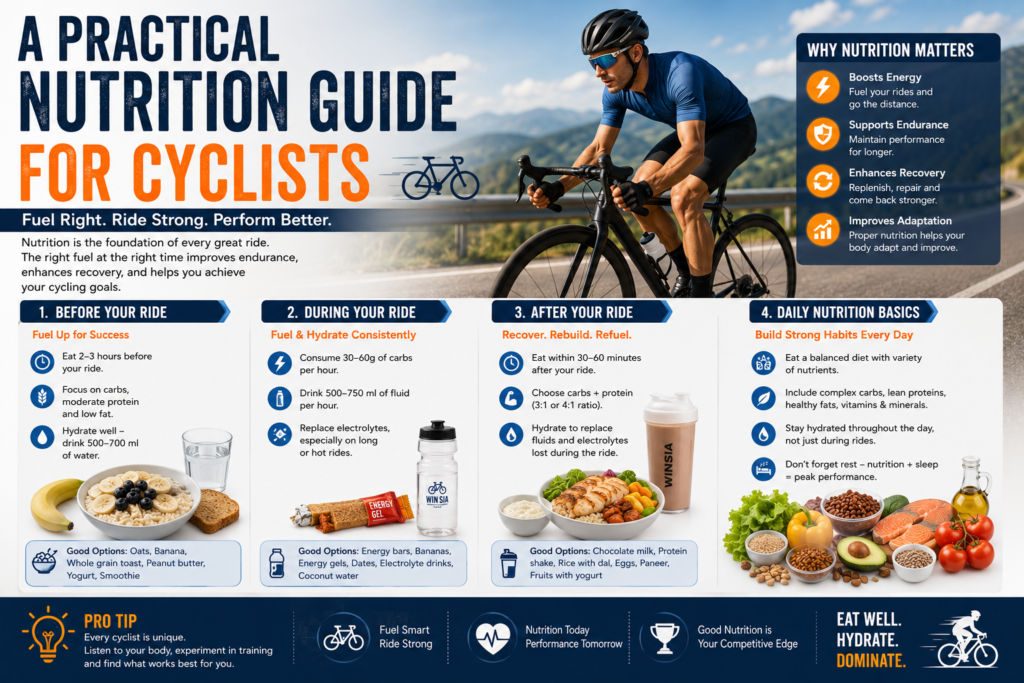
Pre-Workout Nutrition Support
Before training sessions or competitions, athletes should consume foods that provide steady energy.
Good Pre-Workout Foods
- Banana
- Oatmeal
- Yogurt
- Whole-grain toast
- Fruit smoothie
Some athletes choose a pre-workout supplement as a supportive option before endurance training to help maintain energy and workout readiness. Supplements should complement a balanced diet and should not replace nutritious meals.
Post-Workout Recovery After Endurance Events
Recovery nutrition is essential after prolonged exercise because glycogen stores need to be replenished.
Good Recovery Foods
- Rice with dal
- Fruits
- Milk or plant-based protein drink
- Paneer or tofu
- Yogurt
- Sweet potatoes
Combining carbohydrates with protein helps support glycogen replenishment and muscle recovery.
Some athletes may also choose a post-workout supplement depending on their nutritional needs and training intensity.
Sample Three-Day Carbohydrate Loading Plan
|
Day |
Focus |
|
Day 1 |
Reduce training, increase complex carbohydrates, stay hydrated |
|
Day 2 |
Continue high-carbohydrate meals, light activity, quality sleep |
|
Day 3 (Event Day) |
Eat a familiar carbohydrate-rich breakfast, hydrate properly, avoid overeating |
This simple approach helps athletes prepare their energy stores before competition.
Additional Tips for Successful Carbohydrate Loading
To get the most benefit:
- Plan meals in advance
- Practice carbohydrate loading before major events
- Stay hydrated throughout the process
- Avoid experimenting with new foods
- Eat balanced meals instead of oversized portions
- Listen to your body’s response
Preparation is just as important as training.
When Carbohydrate Loading May Not Be Necessary
Carbohydrate loading is generally not required for:
- Short gym workouts
- Yoga sessions
- Recreational walking
- Workouts under 60–90 minutes
- Light fitness routines
In these cases, a balanced daily diet usually provides enough energy for exercise.
Conclusion
Carbohydrate loading is a proven nutrition strategy that helps endurance athletes maximize glycogen stores before long-duration events. When done correctly, it can support better endurance, delay fatigue, and help maintain performance during demanding competitions.
However, carbohydrate loading is most effective when combined with structured training, proper hydration, quality sleep, and balanced nutrition. It is not about eating as much as possible—it is about increasing carbohydrate intake in a planned and strategic way.
Whether you’re preparing for a marathon, a cycling event, or another endurance competition, understanding when and how to use carbohydrate loading can help you perform with greater confidence and energy. Remember that successful athletic performance comes from the combination of smart training, proper recovery, and consistent nutrition—not from any single strategy alone.