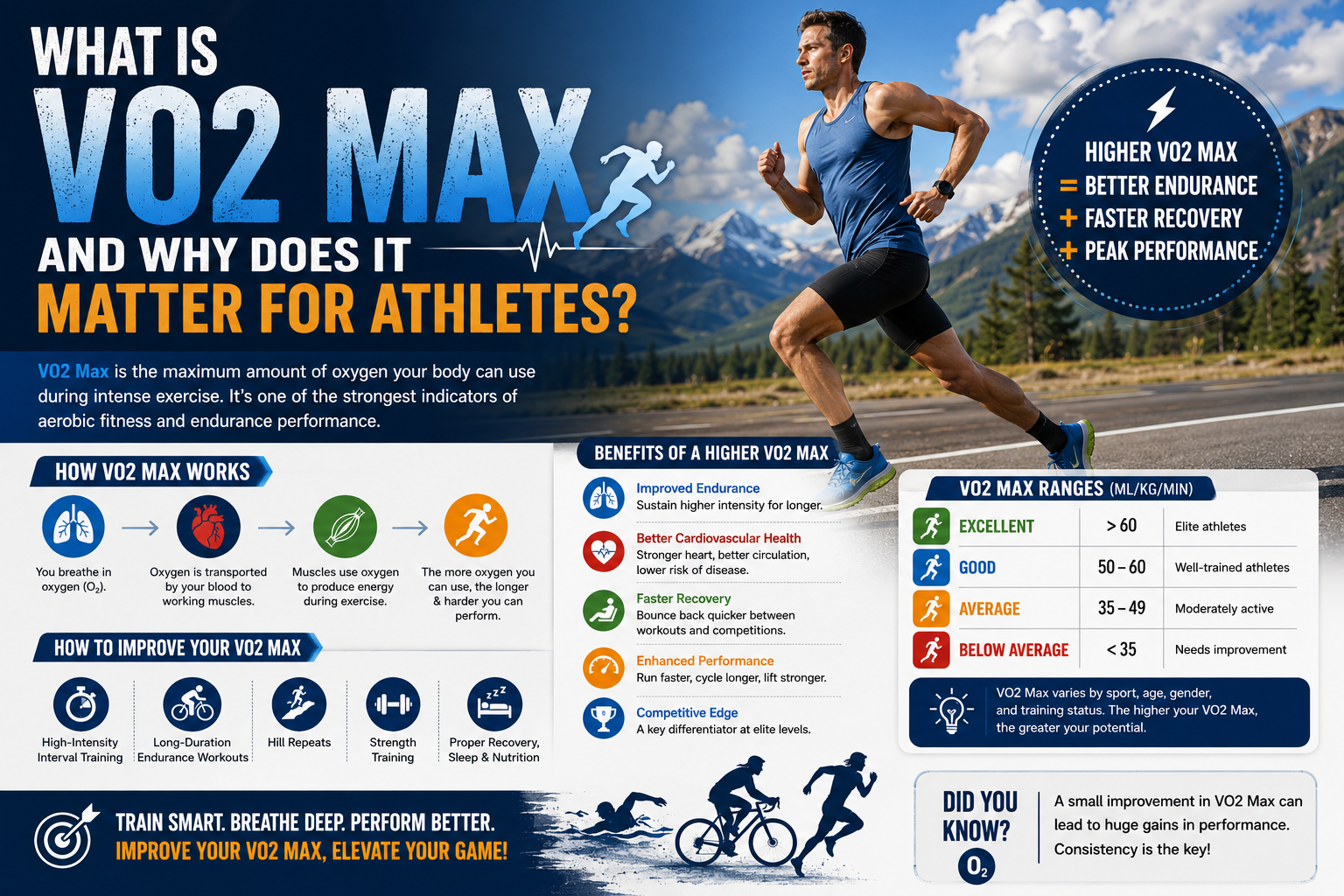
What Is VO2 Max and Why Does It Matter for Athletes?
Whether you’re a runner training for a marathon, a cyclist preparing for a long ride, a swimmer improving endurance, or a gym enthusiast working on cardiovascular fitness, you’ve probably heard the term VO2 Max. It is one of the most important indicators of aerobic fitness and endurance performance.
Many athletes focus on speed, strength, and training volume but often overlook the role of VO2 Max in achieving better results. Understanding your VO2 Max can help you train more effectively, improve stamina, and monitor your fitness progress over time.
The good news is that VO2 Max is not fixed. With the right combination of structured training, proper nutrition, recovery, and consistency, most people can improve their aerobic capacity and overall athletic performance.
In this guide, we’ll explain what VO2 Max is, why it matters for athletes, how it affects endurance, and practical ways to improve it naturally.
What Is VO2 Max?
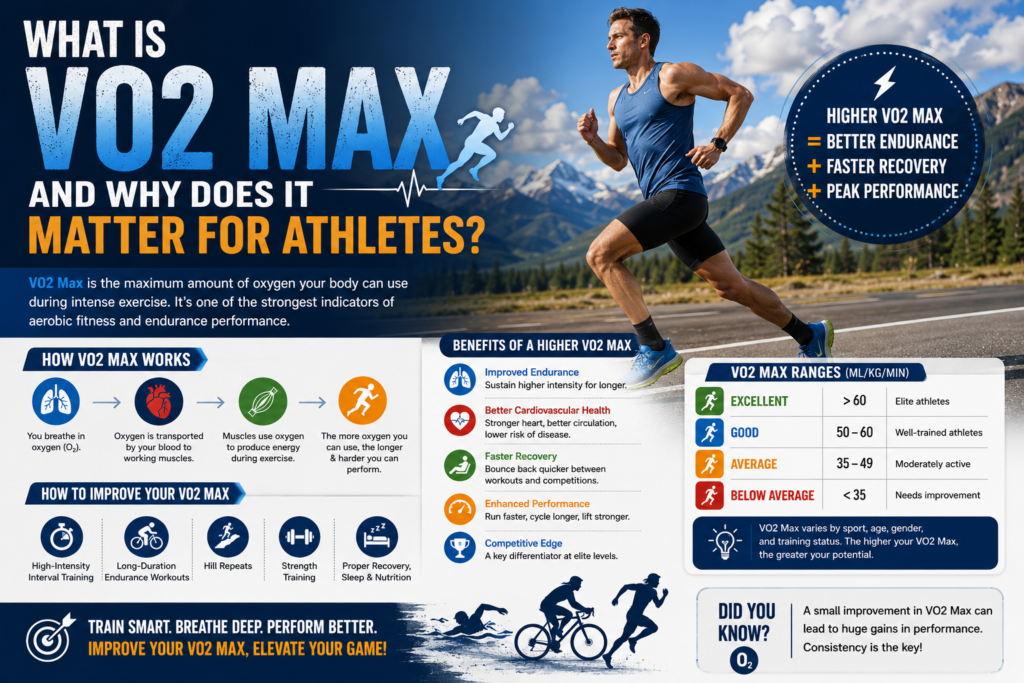
VO2 Max, also known as maximum oxygen uptake, is the maximum amount of oxygen your body can use during intense physical activity.
Simply put, it measures how efficiently your heart, lungs, and muscles work together to supply and use oxygen while exercising.
The higher your VO2 Max, the more oxygen your body can use to produce energy, allowing you to exercise longer and perform at higher intensities before becoming fatigued.
VO2 Max is considered one of the most reliable indicators of cardiovascular fitness and aerobic endurance.
Why Does VO2 Max Matter for Athletes?
During exercise, your muscles need oxygen to produce energy. Activities such as running, cycling, swimming, rowing, and football rely heavily on aerobic energy production.
When your VO2 Max improves, your body becomes more efficient at:
- Delivering oxygen to muscles
- Producing energy
- Delaying fatigue
- Maintaining endurance
- Recovering between training sessions
This is why endurance athletes often monitor their VO2 Max as part of their training program.
How VO2 Max Affects Athletic Performance
A higher VO2 Max does not automatically make someone a champion athlete, but it provides a strong foundation for endurance performance.
Athletes with Better VO2 Max Often Experience:
- Better stamina
- Improved endurance
- Faster recovery
- More efficient breathing
- Higher training capacity
- Better cardiovascular fitness
For endurance sports, VO2 Max is one of several important performance indicators.
How the Body Uses Oxygen During Exercise
When you begin exercising, your muscles require more energy.
The body responds by:
- Breathing faster to bring in oxygen.
- Pumping more blood through the heart.
- Delivering oxygen-rich blood to working muscles.
- Using oxygen inside muscle cells to produce energy.
The more efficiently these systems work together, the better your endurance becomes.
Factors That Affect VO2 Max
Several factors influence your VO2 Max.
1. Genetics
Some individuals naturally have a higher aerobic capacity than others.
2. Age
VO2 Max generally reaches its peak in early adulthood and gradually decreases with age if physical activity levels decline.
3. Training
Regular endurance training can significantly improve VO2 Max.
4. Body Composition
Maintaining a healthy body composition may positively influence aerobic performance.
5. Overall Health
Heart health, lung function, nutrition, hydration, and recovery all affect VO2 Max.
Signs Your VO2 Max May Need Improvement
Low aerobic fitness may lead to:
- Feeling out of breath quickly
- Difficulty running long distances
- Early fatigue
- Slow recovery after exercise
- Reduced endurance
- Difficulty maintaining workout intensity
Improving aerobic fitness gradually can help reduce these challenges.
Scientific Benefits of Improving VO2 Max
Improving VO2 Max offers several performance and health benefits.
Better Endurance
Higher oxygen utilization helps athletes sustain activity for longer periods.
Improved Cardiovascular Health
Regular aerobic training strengthens the heart and improves circulation.
Greater Energy Efficiency
The body becomes more efficient at producing energy during exercise.
Reduced Fatigue
Improved oxygen delivery helps delay muscle fatigue.
Better Recovery
Athletes with good aerobic fitness often recover more efficiently between workouts.
Practical Ways to Improve VO2 Max
Improving VO2 Max takes time, but consistent training can make a noticeable difference.
- Perform Regular Aerobic Exercise
Activities include:
- Running
- Cycling
- Swimming
- Brisk walking
- Rowing
Aim for regular sessions each week.
- Include Interval Training
High-intensity interval training (HIIT) alternates short periods of intense exercise with recovery.
Example:
- Run fast for 1 minute
- Walk or jog for 2 minutes
- Repeat several times
This type of training may help improve aerobic capacity over time.
- Increase Training Gradually
Avoid sudden increases in workout intensity.
Gradual progression helps:
- Improve endurance safely
- Reduce injury risk
- Build long-term fitness
Consistency is more important than rapid progress.
- Add Strength Training
Strong muscles support efficient movement and reduce energy loss during exercise.
Exercises include:
- Squats
- Lunges
- Deadlifts
- Planks
- Push-ups
Strength training complements endurance training.
- Prioritize Recovery
Fitness improvements happen during recovery.
Recovery includes:
- Quality sleep
- Rest days
- Stretching
- Hydration
- Proper nutrition
Without adequate recovery, performance improvements may slow down.
Role of Nutrition in Improving VO2 Max
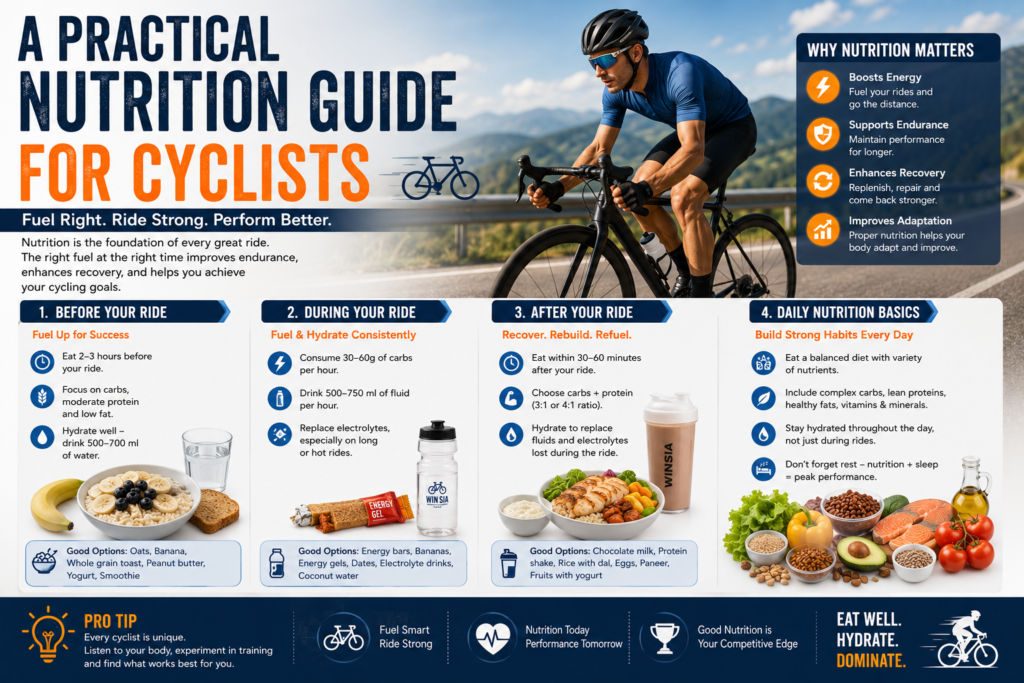
Nutrition provides the fuel needed for training and recovery.
A balanced diet supports:
- Energy production
- Muscle recovery
- Oxygen transport
- Endurance performance
Important Nutrients
Carbohydrates
Provide the primary fuel for endurance activities.
Examples:
- Oats
- Rice
- Whole grains
- Fruits
- Sweet potatoes
Protein
Supports muscle repair and recovery.
Examples:
- Eggs
- Dairy
- Paneer
- Tofu
- Lentils
Healthy Fats
Support long-duration energy needs.
Examples:
- Nuts
- Seeds
- Avocados
A balanced eating pattern supports consistent training.
Pre-Workout Support for Endurance Athletes
Eating before exercise helps prepare the body for training.
Good Pre-Workout Options
- Banana
- Oatmeal
- Yogurt
- Whole-grain toast
- Fruit smoothie
Some athletes choose a pre-workout supplement as a supportive option before endurance training to help maintain energy and workout readiness. Supplements should complement a balanced diet rather than replace healthy meals.
Hydration Matters Too
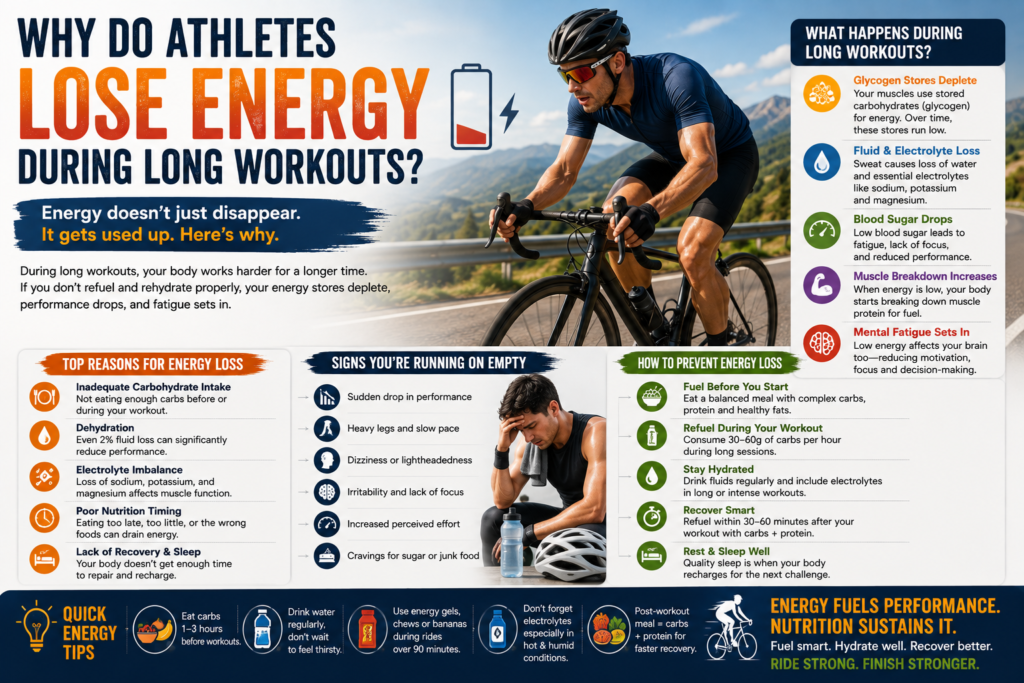
Even mild dehydration can reduce exercise performance and affect oxygen delivery.
Hydration Tips
- Drink water regularly throughout the day
- Hydrate before exercise
- Sip water during long workouts
- Rehydrate after training
Proper hydration supports cardiovascular function and endurance.
Post-Workout Recovery
Recovery is essential for improving aerobic fitness.
Recovery Foods
- Rice and dal
- Milk or plant-based protein drink
- Paneer or tofu
- Fruits
- Yogurt
Combining carbohydrates and protein supports glycogen replenishment and muscle recovery.
Some athletes may include a post-workout supplement depending on their nutritional requirements and training demands.
VO2 Max vs Endurance: What’s the Difference?
VO2 Max | Endurance |
Measures maximum oxygen utilization | Measures ability to sustain activity |
Indicates aerobic fitness | Reflects overall performance capacity |
Can improve with structured training | Depends on training, nutrition, recovery, and pacing |
One fitness metric | Overall athletic ability |
Both are important and work together to improve athletic performance.
Sample Weekly Plan to Improve VO2 Max
Day | Activity |
Monday | Easy run or cycling |
Tuesday | Strength training |
Wednesday | Interval training |
Thursday | Recovery walk or yoga |
Friday | Moderate endurance workout |
Saturday | Long-distance run or ride |
Sunday | Rest and recovery |
This balanced approach supports steady improvements while reducing the risk of overtraining.
Common Mistakes That Can Limit VO2 Max Improvement
Many athletes unknowingly slow their progress by making simple mistakes.
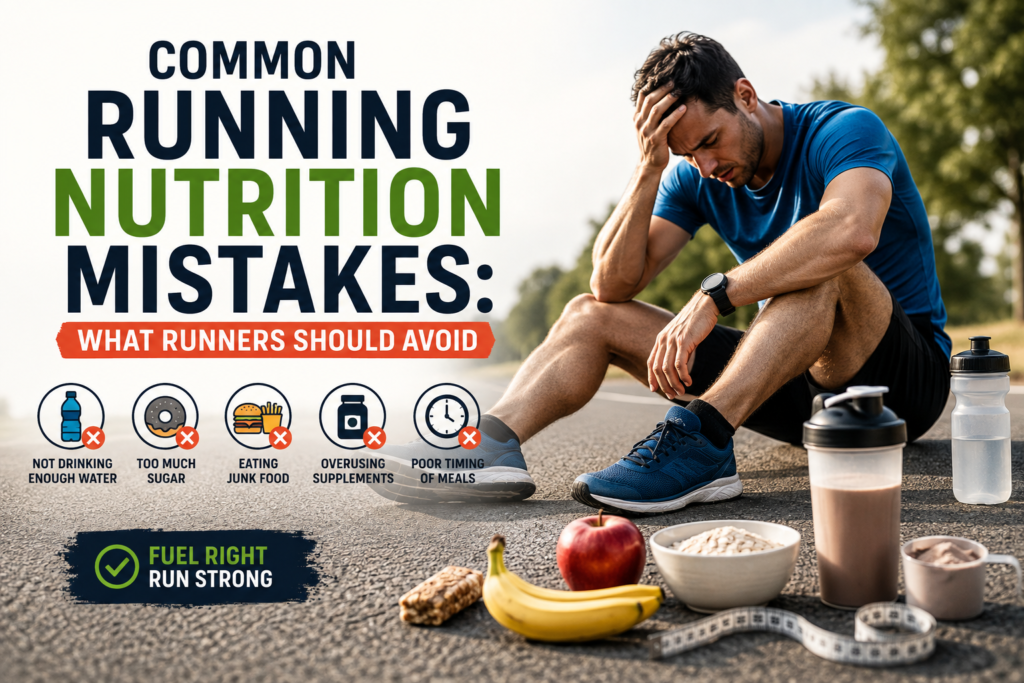
Avoid These Habits
- Skipping warm-ups
- Increasing training intensity too quickly
- Ignoring recovery days
- Poor nutrition
- Inadequate hydration
- Lack of sleep
- Inconsistent training
Avoiding these mistakes helps create sustainable progress.
Additional Tips for Better Endurance Performance
To improve aerobic fitness and support VO2 Max:
- Train consistently
- Eat balanced meals
- Stay hydrated
- Prioritize sleep
- Monitor training progress
- Include recovery days
- Listen to your body
Small improvements made consistently often lead to better long-term results.
Conclusion
Understanding what VO2 Max is and why it matters for athletes can help you take a smarter approach to training. VO2 Max reflects your body’s ability to use oxygen efficiently during exercise and plays a key role in endurance, stamina, and overall athletic performance.
While genetics influence your starting point, regular aerobic training, interval workouts, balanced nutrition, proper hydration, strength training, and quality recovery can all contribute to improving VO2 Max over time.
Instead of focusing only on running faster or training harder, build a routine that supports long-term fitness. By consistently improving your aerobic capacity, you’ll not only perform better in sports but also support your overall health and wellbeing.