
Common Running Nutrition Mistakes: What Runners Should Avoid
Running is a simple and effective way to improve fitness, build endurance, and support an active lifestyle. But as running distance and training intensity increase, nutrition becomes just as important as the training itself.
Many runners spend time planning their running schedule but give less attention to what they eat and drink before, during, and after a workout. As a result, they may experience low energy, stomach discomfort, muscle fatigue, slow recovery, or difficulty maintaining their usual pace.
The good news is that most running nutrition mistakes can be avoided with a few simple changes. You do not need a complicated diet or an extensive list of supplements. What matters most is eating enough to support your training, staying hydrated, choosing suitable foods, and giving your body enough time to recover.
This guide covers the common running nutrition mistakes runners make and provides practical ways to avoid them.
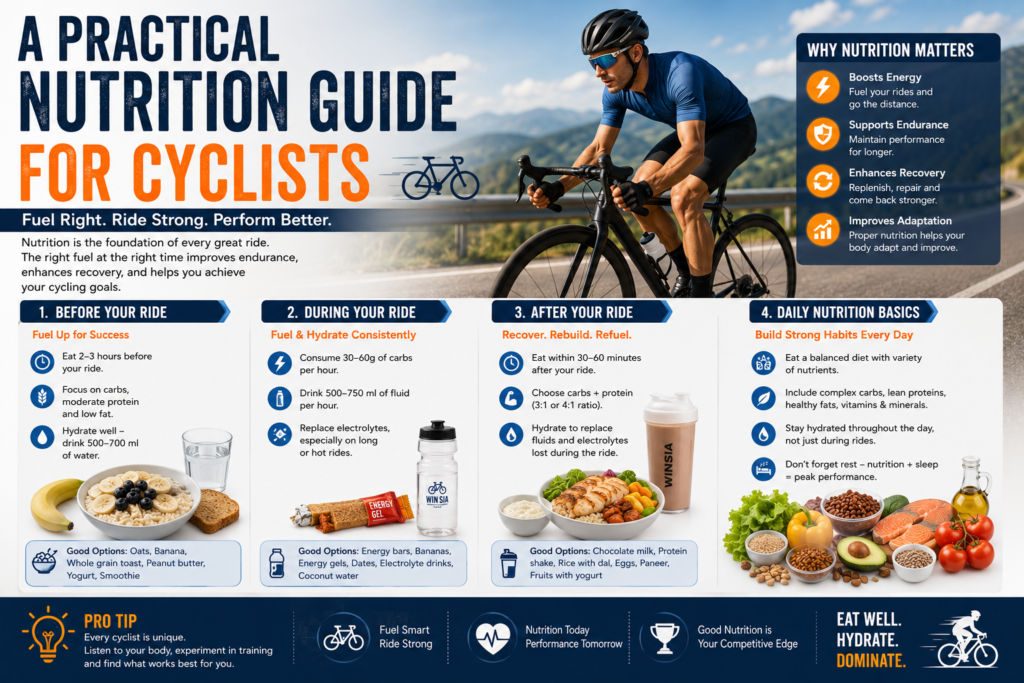
Why Nutrition Matters for Runners
Running requires energy, particularly when workouts become longer or more intense. Carbohydrates are an important fuel source for running because the body stores them as glycogen in the muscles and liver.
Protein also has an important role because it supports muscle repair and recovery. Fluids and electrolytes help replace what the body loses through sweating.
Good running nutrition can help support:
- Energy during training
- Endurance
- Muscle function
- Recovery
- Consistent training
- Overall health
Nutrition needs are different for every runner. A recreational runner doing short sessions may have different needs from someone preparing for a marathon.
Mistake #1: Running Without Enough Fuel
One of the most common running nutrition mistakes is simply not eating enough.
Some runners reduce their food intake because they believe eating less will automatically improve weight loss or running performance. However, consistently under-fueling can make it harder to train effectively.
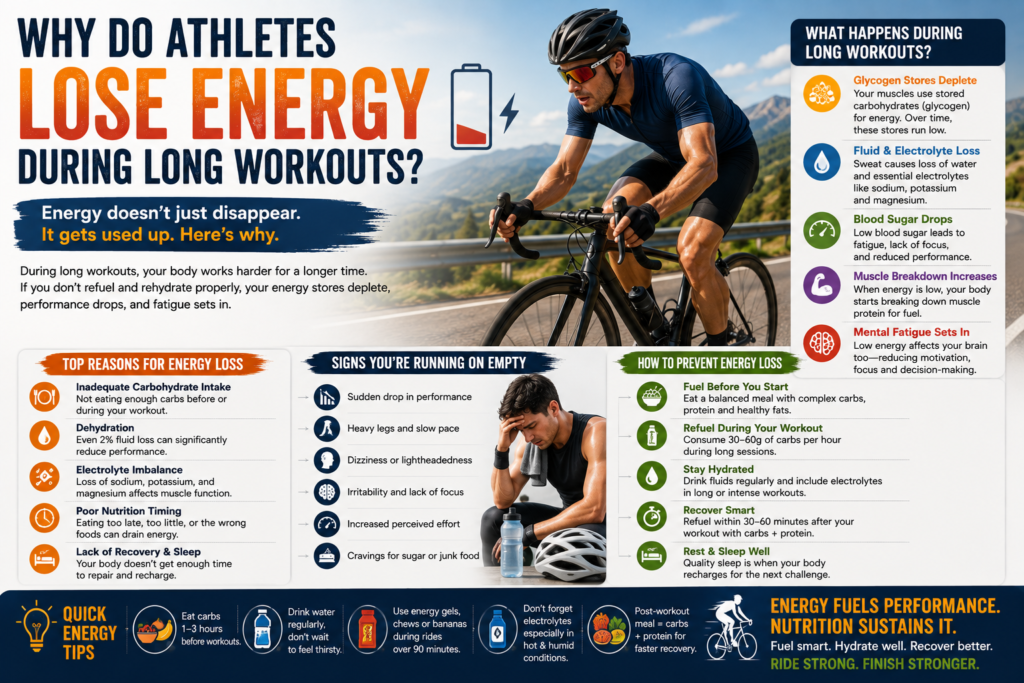
Signs You May Not Be Fueling Enough
- Low energy during runs
- Unusual tiredness
- Difficulty completing normal workouts
- Poor recovery
- Increased hunger later in the day
- Reduced training performance
The solution is not necessarily to eat large meals. Instead, make sure your overall diet provides enough energy for your activity level.
What Can Help?
Include balanced meals containing:
- Carbohydrates
- Protein
- Healthy fats
- Fruits and vegetables
- Adequate fluids
If you are increasing running distance or training for an endurance event, your nutritional needs may also increase.
Mistake #2: Skipping Carbohydrates
Carbohydrates sometimes get a bad reputation, but they are an important source of fuel for runners.
During moderate- and high-intensity running, the body relies significantly on carbohydrate availability.
Good Carbohydrate Sources
- Rice
- Oats
- Potatoes
- Sweet potatoes
- Whole grains
- Bananas
- Other fruits
- Pasta
- Poha
- Idli
The goal is not to eat unlimited carbohydrates. Instead, choose appropriate portions and adjust your intake according to your training needs.
For longer runs, carbohydrate intake becomes particularly important because glycogen stores gradually decrease as exercise continues.
Mistake #3: Eating Too Much Immediately Before Running
While running without enough fuel can be a problem, eating a very large meal immediately before a run can create another one.
A heavy meal may leave you feeling:
- Full
- Sluggish
- Bloated
- Uncomfortable
Some runners may also experience stomach cramps or nausea.
A Better Approach
If you have several hours before your run, you can have a proper balanced meal.
If you are running soon, choose a smaller snack such as:
- Banana
- Toast
- Dates
- Small portion of oats
- Fruit
- Yogurt, if tolerated
Most importantly, experiment with meal timing during training rather than on race day.
Mistake #4: Ignoring Hydration
Hydration is one of the simplest parts of running nutrition, yet it is often overlooked.
Running causes fluid loss through sweat. The amount varies depending on:
- Temperature
- Humidity
- Running intensity
- Distance
- Clothing
- Individual sweat rate
Not drinking enough fluids can contribute to fatigue and reduced exercise performance.
Simple Hydration Habits
- Drink fluids regularly throughout the day.
- Start your run reasonably hydrated.
- Carry water when appropriate for the distance and weather.
- Pay extra attention to hydration during hot conditions.
- Rehydrate after longer runs.
There is no universal amount of water that every runner needs. Your personal needs depend on your environment and sweat losses.
Mistake #5: Forgetting About Electrolytes
For shorter runs, water and normal meals may provide sufficient electrolytes for many people. However, during prolonged or very sweaty sessions, electrolyte replacement may become more relevant.
Sodium is one of the main electrolytes lost through sweat and plays a role in fluid balance and normal muscle and nerve function.
When Should Runners Think About Electrolytes?
Electrolytes may deserve more attention during:
- Long-distance running
- Runs in hot weather
- High-sweat sessions
- Marathon training
- Prolonged endurance events
Avoid assuming that more electrolytes are always better. Individual needs vary.
Mistake #6: Waiting Until You Are Exhausted to Fuel
For long runs, some runners wait until they feel completely tired before taking carbohydrates.
By that point, maintaining your usual pace may already be difficult.
A Better Strategy
For longer training sessions, plan your carbohydrate intake before starting the run.
Depending on the duration and intensity, options can include:
- Banana
- Dates
- Energy gels
- Sports drinks
- Energy bars
- Other easily digestible carbohydrate sources
Practice your strategy during training so you know what your stomach tolerates.
Mistake #7: Trying New Foods on Race Day
Race day is not the time to experiment with a new breakfast, gel, drink, or supplement.
Even a food that seems healthy can cause digestive problems during running if your body is not used to it.
Instead:
- Test your breakfast during training.
- Test gels before race day.
- Practice hydration.
- Test supplements before important events.
- Keep your race-day routine familiar.
Your nutrition plan should be practiced just like your running plan.
Mistake #8: Focusing Only on Protein
Protein is important for runners, but focusing entirely on protein can mean overlooking carbohydrates.
Protein supports muscle repair and recovery, while carbohydrates provide an important source of energy for running.
A Balanced Runner’s Plate
A simple meal can include:
|
Food Group |
Examples |
|
Carbohydrates |
Rice, oats, potatoes, roti |
|
Protein |
Eggs, dal, paneer, tofu |
|
Vegetables |
Leafy greens, carrots, beans |
|
Fruit |
Banana, apple, berries |
|
Healthy fats |
Nuts, seeds, avocado |
A balanced diet provides a broader range of nutrients than focusing on a single macronutrient.
Mistake #9: Neglecting Post-Run Nutrition
Finishing a run does not mean your nutrition routine is over.
After exercise, the body needs nutrients to support recovery and replenish energy stores.
A Good Post-Run Meal Can Include:
- Carbohydrates
- Protein
- Fluids
- Fruits or vegetables
Examples include:
- Rice and dal
- Paneer with rice or roti
- Eggs with toast and fruit
- Yogurt with oats and fruit
- Milk or a suitable plant-based drink with a balanced meal
Some runners may also consider a post-workout supplement as a convenient supportive option after demanding training. It should complement an overall balanced diet rather than replace regular nutritious meals.
Mistake #10: Depending Too Much on Supplements
Supplements can be convenient, but they should not become the foundation of a runner’s diet.
A runner’s basic nutrition should come from a varied diet that provides:
- Carbohydrates
- Protein
- Healthy fats
- Vitamins
- Minerals
- Fiber
- Fluids
Depending on individual needs, some runners may choose a pre-workout supplement before training as additional nutritional support.
The important point is that supplements are optional. They should complement good nutrition rather than compensate for an unbalanced diet.
Mistake #11: Ignoring Recovery Nutrition
Training creates stress on the body. Recovery nutrition helps the body prepare for the next session.
If you regularly complete demanding workouts without adequate food and rest, you may notice:
- Persistent tiredness
- Poor workout performance
- Increased soreness
- Reduced motivation
- Longer recovery periods
Support Recovery With:
- Adequate carbohydrates
- Enough protein
- Regular fluids
- Fruits and vegetables
- Quality sleep
Good recovery helps make consistent training possible.
Mistake #12: Following Someone Else’s Diet Exactly
A nutrition strategy that works for one runner may not work for another.
Runners differ in:
- Body size
- Training volume
- Sweat rate
- Food preferences
- Digestive tolerance
- Fitness level
- Running goals
Instead of copying another athlete’s diet, use general principles and adjust them according to your own experience.
For specific performance goals or dietary concerns, a qualified sports dietitian can provide individualized guidance.
How to Build a Better Running Nutrition Routine
Step 1: Look at Your Training
Start by considering how often, how far, and how intensely you run.
Step 2: Build Balanced Meals
Include a carbohydrate source, protein source, vegetables or fruit, and suitable healthy fats.
Step 3: Plan Pre-Run Food
Choose familiar foods and allow enough time for digestion.
Step 4: Plan Fuel for Long Runs
For longer sessions, carry suitable carbohydrate sources and fluids.
Step 5: Recover After Training
Have a balanced meal or snack after demanding sessions.
Step 6: Review Your Results
Ask yourself:
- Did I have enough energy?
- Did I experience stomach discomfort?
- Was my hydration adequate?
- How did I feel during recovery?
Adjust gradually rather than changing everything at once.
Simple Nutrition Plan for a Runner
|
Timing |
Nutrition Focus |
Example |
|
Breakfast |
Balanced meal |
Oats + banana + yogurt |
|
Pre-run |
Easy-to-digest carbohydrate |
Banana or toast |
|
During long run |
Carbohydrate + fluids |
Gel, fruit, sports drink |
|
Post-run |
Carbohydrate + protein |
Rice + dal |
|
Later meal |
Balanced nutrition |
Roti/rice + vegetables + protein |
This is a general framework and should be adjusted to individual needs.
Additional Tips for Better Running Nutrition
- Keep your everyday diet simple and balanced.
- Do not drastically change your diet before a race.
- Practice your fueling strategy during training.
- Carry emergency fuel on long or remote runs.
- Stay hydrated throughout the day.
- Pay attention to your body’s hunger and energy signals.
- Prioritize sleep and recovery.
- Increase food intake appropriately when training volume increases.
- Avoid relying on supplements as a replacement for meals.
Frequently Asked Questions
What is the biggest nutrition mistake runners make?
One common mistake is failing to provide enough fuel for the amount of training they are doing. This can contribute to low energy and poor recovery.
Should runners avoid carbohydrates?
No. Carbohydrates are an important energy source for running, particularly during moderate- and high-intensity exercise.
Should I eat before every run?
It depends on the duration and intensity of the run. Short, easy runs may require little preparation, while longer or harder sessions generally benefit from planned fueling.
What should I eat after running?
A meal or snack containing carbohydrates and protein can support recovery. Examples include rice and dal, yogurt with fruit and oats, or eggs with toast and fruit.
Do runners need supplements?
Not necessarily. Supplements are optional and should complement a balanced diet. Some runners may find them convenient depending on their training and nutritional needs.
How can I avoid stomach problems while running?
Avoid large meals immediately before running and test foods, drinks, and supplements during training. This helps you identify what your digestive system tolerates well.
Conclusion
Avoiding common running nutrition mistakes can make your training more comfortable and consistent. From skipping carbohydrates and ignoring hydration to eating too much before a run or trying unfamiliar foods on race day, small nutrition mistakes can have a noticeable effect on performance.
The best approach is not to follow a complicated diet. Focus on the basics: eat enough to support your training, include carbohydrates and protein, stay hydrated, fuel appropriately during longer runs, and give your body the nutrition it needs to recover.
Most importantly, remember that running nutrition is personal. What works for one runner may not work for another. Use your training sessions to test your meals, snacks, hydration, and fueling strategy. With consistency and a little planning, nutrition can become a valuable part of your running routine.